

The best Azalea Health alternatives for pediatric practices are Develo and PCC, with eClinicalWorks, NextGen, and athenahealth for clinics that operate beyond pediatrics. We compared all five on family workflows, billing, and pricing. Here's what each does well, where it falls short, and who it's for.
TL;DR: Which Azalea Health Alternative Should You Choose?
Choose Develo if you're an independent pediatric clinic looking for charting, billing, practice management, and family engagement unified on one AI-native platform built specifically for pediatrics. Worth weighing against the longer operating history of legacy vendors if decades of track record drive your decision.
Choose PCC if you're an independent pediatric practice that values customer support, community, and predictable bundled pricing over an automation-first interface. Less suited if you need a modern, AI-native user experience.
Choose eClinicalWorks if your practice is multi-specialty or expanding beyond pediatrics and you want one large, established platform with AI scribe integration through Sunoh.ai. Skip it if you want pediatric-specific depth without configuration work.
Choose NextGen Healthcare if you're a group that needs broad specialty coverage. A weaker pick if pediatric-specific workflows are your priority.
Choose athenahealth if you're comfortable with a generalist EMR and want full-service RCM tied to a percentage-of-collections model. Reconsider if pediatric-specific workflows matter most or if you need contract terms up front.
Stick with Azalea Health if your practice spans general ambulatory care beyond pediatrics, your current workflows are holding up, and the pediatric limitations covered below aren't creating real friction.
5 Best Azalea Health Alternatives: At a Glance
Pricing correct as of October 2026. Verify with each vendor.
Why Look for Azalea Health Alternatives?
Azalea Health serves ambulatory clinics, rural health centers, and small hospitals with a cloud-based EMR, practice management, and RCM platform. Azalea Health's positioning works for general ambulatory care but is a harder fit for pediatrics.
- Pediatrics is one use case among many: Azalea offers pediatric templates and growth charts, but its platform centers on rural hospitals and multi-specialty ambulatory care, so screener, family billing, and vaccine inventory workflows may need extra setup.
- Billing and RCM friction: Pediatric billing quirks (well child visit coding, vaccine administration stacking, EPSDT) often get handled less cleanly by generalist RCM. Delayed claims and write-offs follow.
- Screener and intake workflows: Confirm whether developmental and behavioral screeners score and bill automatically or need staff to scan and enter results.
- Family engagement: Check whether SMS intake, multi-child payments, and self-service scheduling come built in or require third-party tools.
- Interface fees on top of the license: Azalea doesn’t publish rates; SelectHub lists a starting price of $299 per physician per month. Azalea’s own ONC cost disclosure lists separate setup and maintenance fees for immunization registry transmission, per interface, alongside lab and imaging interfaces and EPCS. For a practice reporting every dose to the state, price that registry line before signing.
5 Best Azalea Health Alternatives
1. Develo
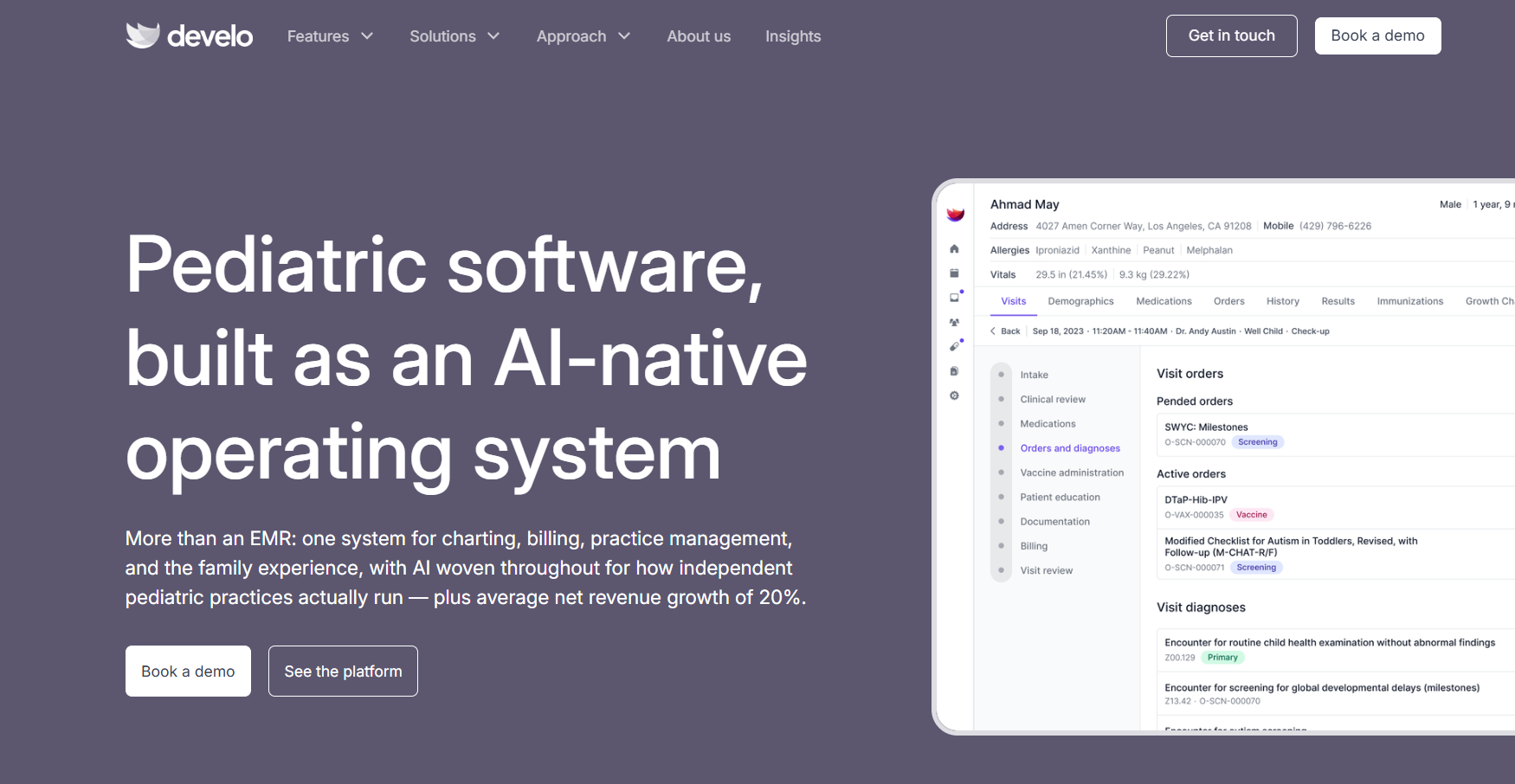
Develo is the AI-native operating system for pediatrics, unifying charting, billing, practice management, and family engagement on modern technology built for outpatient pediatric care.
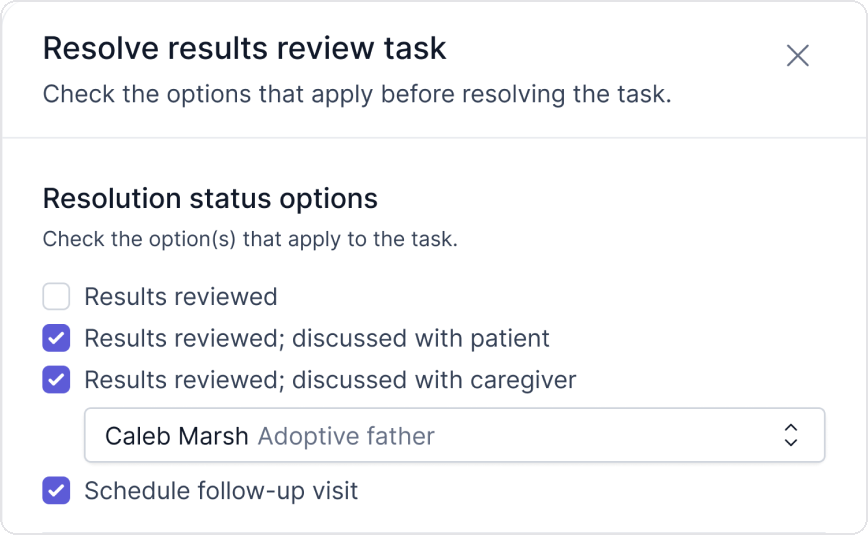
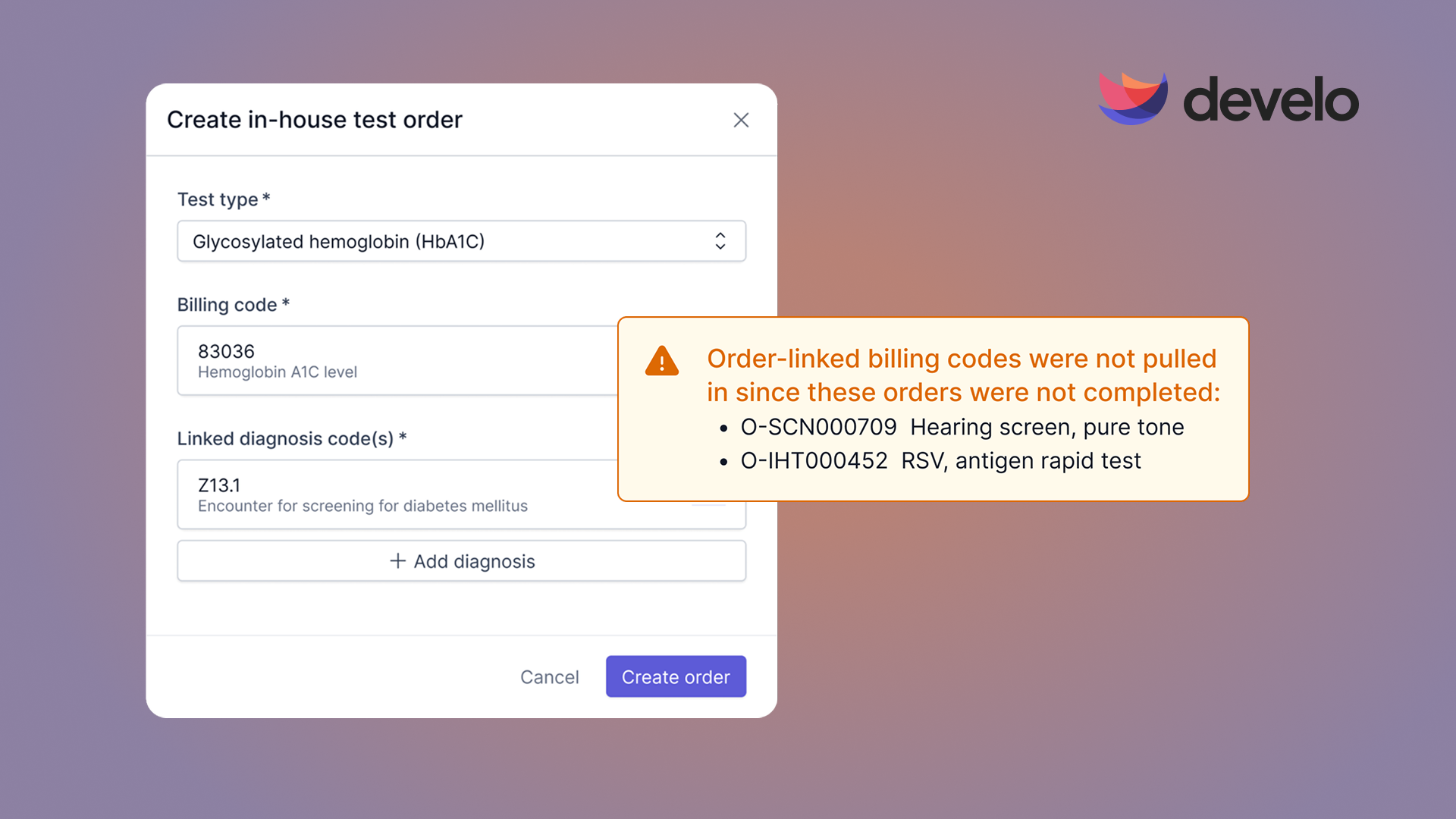
It ships pediatric workflows natively, including family relationship management, automated charge capture, and digital screeners that auto-populate, score, and bill.
Key Features
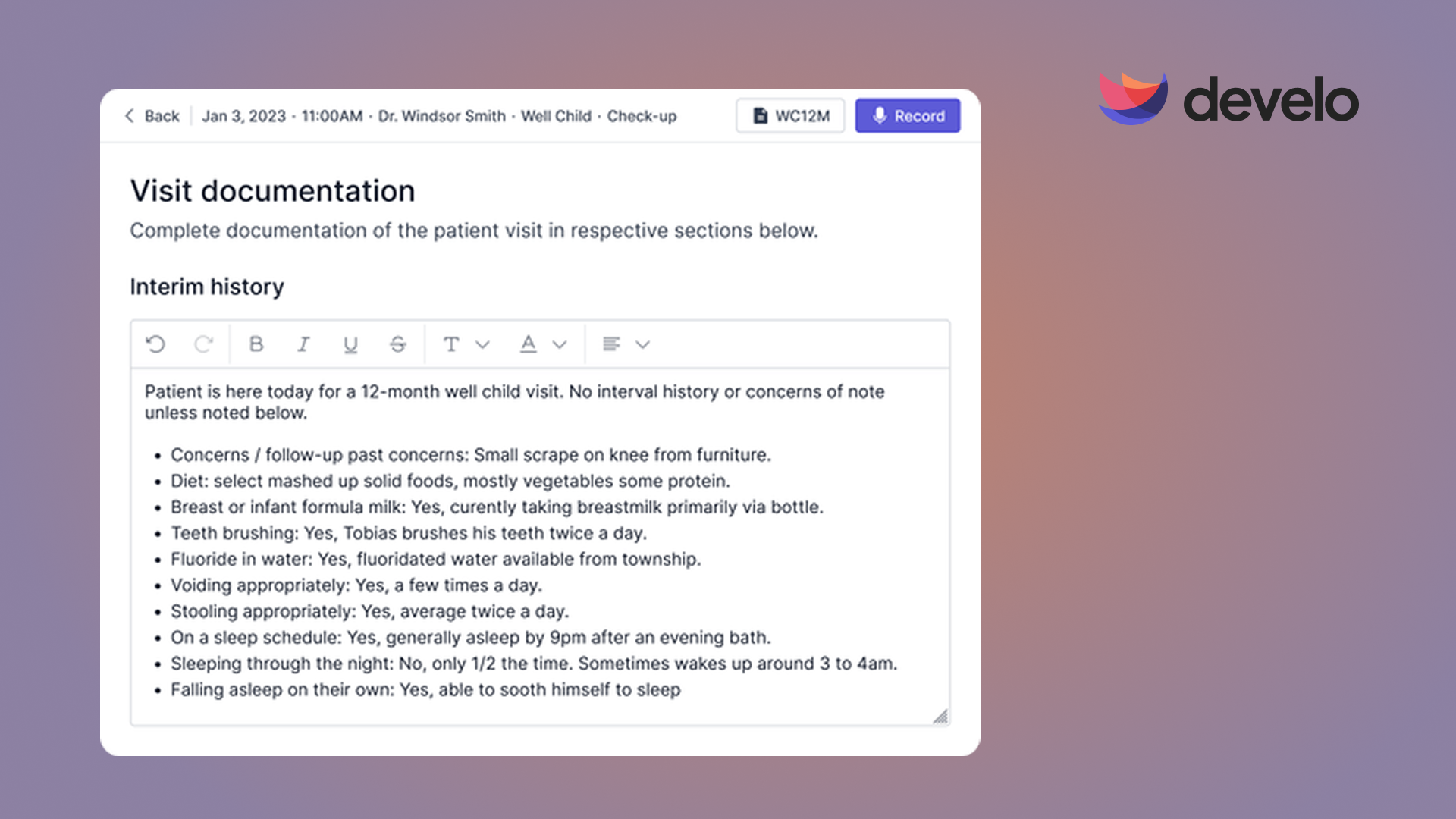
- Develo AI suite: The Develo AI scribe covers intake and the exam room and reads the chart, not just the room. Ask Develo, Develo doc intel, Develo reports Q&A, and Develo AI forms ship alongside the scribe.
- Automated charge capture: Billing codes auto-populate from the clinical workflow.
- Family relationship management: Siblings, blended families, multiple guardians, and family-level billing handled natively.
- Digital clinical screeners: Auto-populated by age, completed before the visit, scored and billed automatically.
- Immunization workflow: Forecasting flags vaccines due and invalid doses, VFC eligibility is matched to funding source, and the state registry syncs bi-directionally in real time.
Pros
✅ Pediatric workflows ship natively, so family links, screeners, vaccine flows, and growth charts with Down syndrome and corrected-age plots work on day one.
✅ Unified platform replaces the patchwork of intake software, screener companies, and AI scribes that most pediatric clinics juggle separately. That means fewer vendors and contracts to manage. Families complete intake from a text with no app download or family portal login, self-schedule the visits the practice opens online, and pay siblings' balances from one view in the family portal.
✅ Weekly releases put new AI and automation tools in your team's hands far more often than a quarterly cycle.
✅ AAP-aligned clinical workflows mean immunization schedules and well child protocols follow pediatric standards by default.
Cons
❌ Shorter track record than vendors that have served pediatrics for decades, so there are fewer long-tenured peer practices to call for references.
❌ Lower brand recognition than legacy vendors, so practices that weight peer referrals and conference presence heavily in selection have less to go on.
❌ Fewer third-party integrations than long-established vendors, so a practice relying on niche external tools should confirm those connections during evaluation.
Best For
- Independent pediatric clinics replacing several disconnected tools at once
- Tech-forward clinics ready to replace legacy EMR plus the patchwork of intake, screener, and AI scribe tools
- Practices prioritizing automation, AI, and ongoing innovation over decades-long vendor history
Pricing
- Per-provider monthly fee
- Comprehensive pricing that bundles data migration, configuration, and training
- Optional billing services priced as a percentage of insurance collections. AI capabilities are priced separately.
- No per-interface fee for state immunization registry connections
2. PCC (Physician's Computer Company)
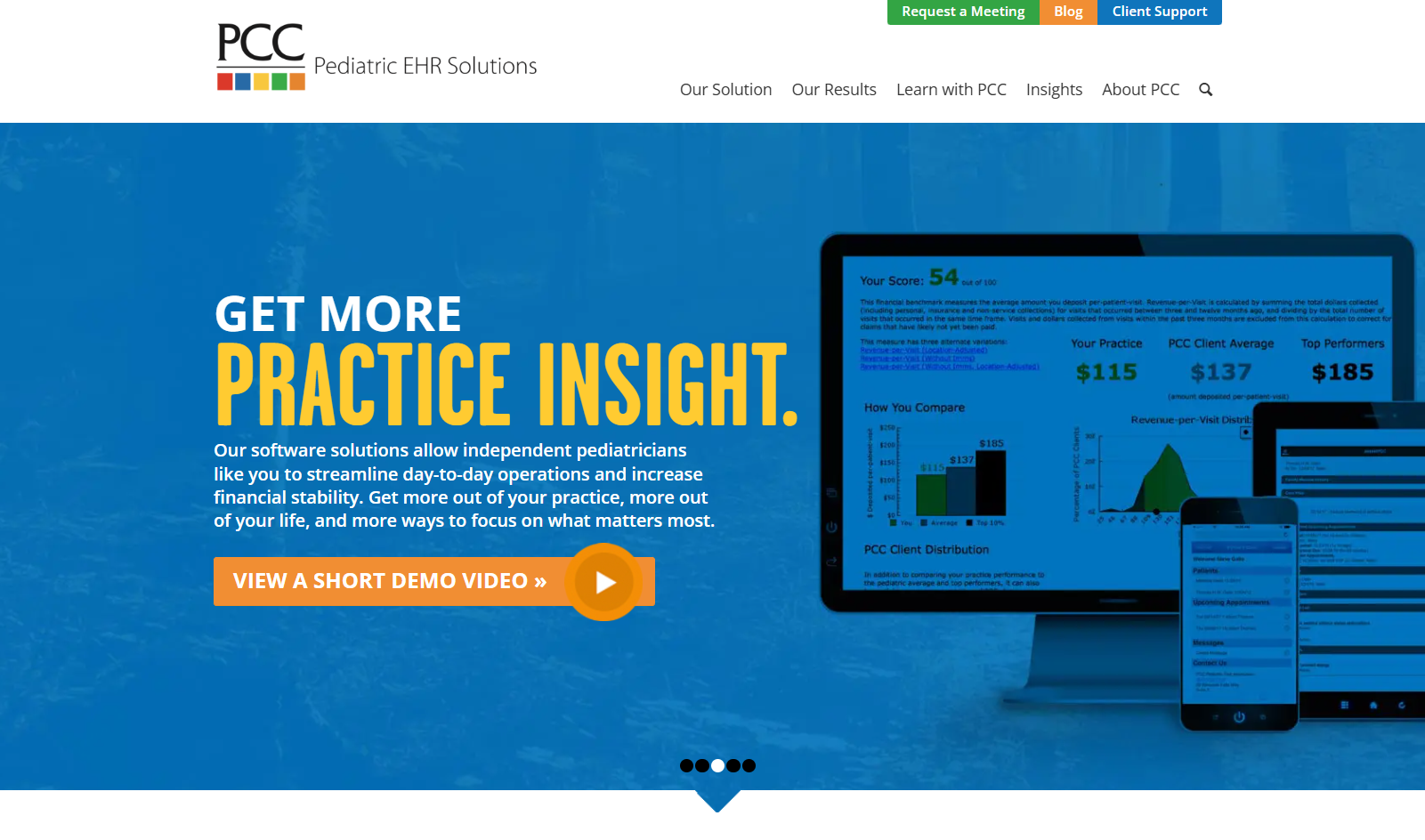
PCC is a pediatric-specific EMR that handles scheduling, documentation, and billing alongside pediatric tools like growth tracking, immunization records, and developmental milestone monitoring.
Features like customizable templates and automated reminders help support quality reporting.
Key Features
- Pediatric-exclusive design: Built specifically for independent pediatric practices.
- Specialty growth charts: Includes Down syndrome, Fenton charts for preterm infants, and standard pediatric references.
- Vaccines for Children (VFC) vs. private vaccine tracking: Granular vaccine documentation, including 2D barcode scanning.
- Bundled monthly pricing: Fixed monthly fee covers EMR, billing, support, and training in one quote.
- PCC Scribe: Built-in AI documentation, sold as an opt-in monthly add-on.
Pros
✅ Peer benchmarking lets practices compare performance against average PCC clients and top performers.
✅ Independently owned benefit corporation still led by a co-founder, which appeals to practices wary of private equity-backed vendors.
✅ Long-standing customer support and an active user community provide implementation references and peer learning that many practices lean on during go-live.
Cons
❌ AI arrived recently and covers documentation only, so automation beyond the note is still limited.
❌ Pre-cloud heritage means interface patterns and integration architecture reflect an earlier generation of EMR design.
❌ Bundled pricing reduces flexibility for practices wanting specific modules without the full platform.
Best For
- Independent pediatric practices that prioritize customer support and community
- Clinics that prefer bundled fixed-fee pricing
- Practices that value a long-established vendor relationship
Pricing
- Custom quote required
- One flat monthly fee covering EMR, billing, patient portal, and all support services
- $0 startup costs and $0 data conversion fees
- Three-year standard contract term, with an early termination fee
3. eClinicalWorks (eCW)
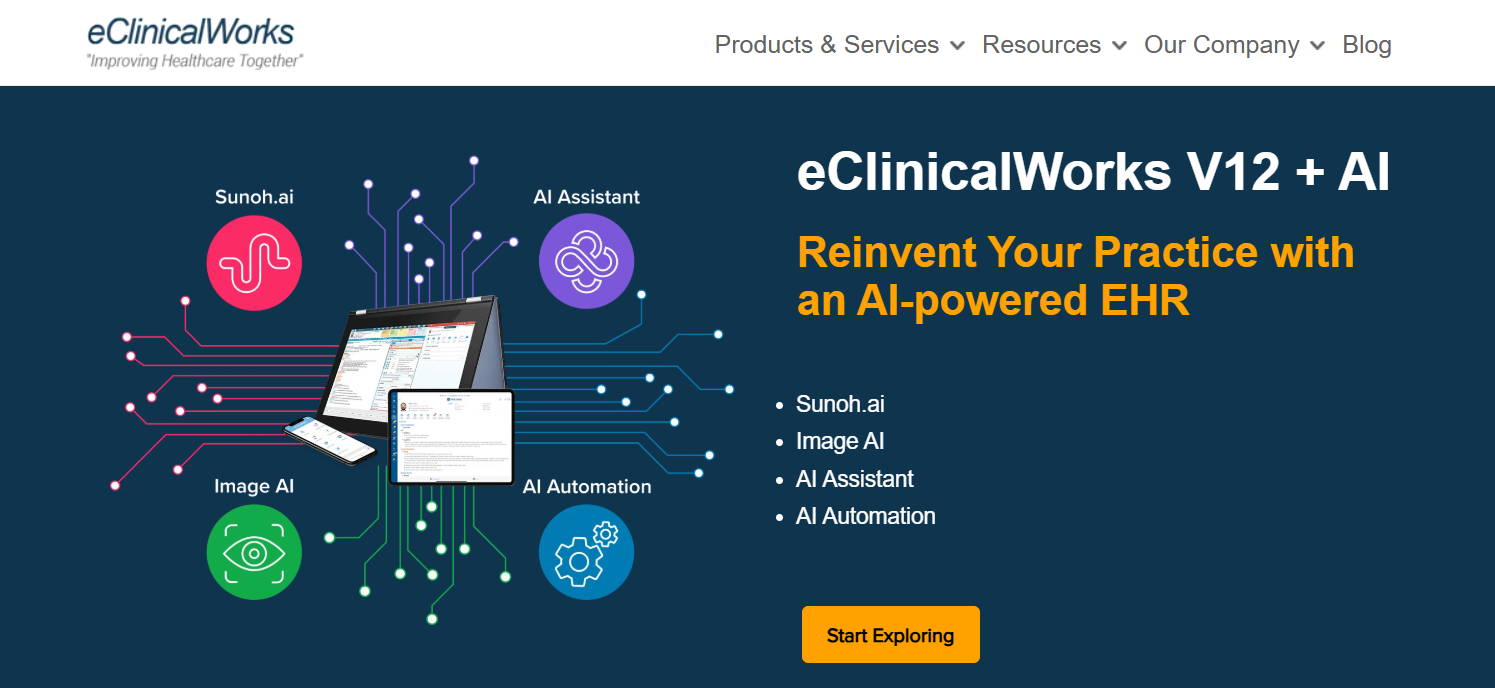
eClinicalWorks is a cloud-based ambulatory EMR vendor serving 180,000+ providers across 50+ specialties, including pediatrics. It combines EMR, practice management, RCM, and patient engagement tools, with AI scribe integration through Sunoh.ai and population health features.
Key Features
- Pediatric documentation templates: Pre-built templates for well child visits and immunization workflows.
- Sunoh.ai AI Scribe: Ambient listening that captures clinical conversations into structured notes.
- healow apps: Family-facing apps for records access, scheduling, and provider messaging.
- Bi-directional immunization registry interfaces: Connects to state registries for vaccine reconciliation.
- Population health tools: Flags children overdue for vaccines or well child visits.
Pros
✅ Large installed base in ambulatory EMR, which means deep payer rule libraries and broad integration coverage built over two decades.
✅ Cloud-based architecture eliminates the on-premise IT burden and delivers updates centrally.
✅ Multi-specialty support across 50+ specialties suits practices that operate beyond pediatrics or expect to expand into other lines of care.
✅ Sunoh.ai integrates directly with eClinicalWorks notes and is licensed separately.
Cons
❌ Steep learning curve during implementation, particularly for smaller practices without dedicated IT support.
❌ eClinicalWorks' $155 million Department of Justice settlement in 2017 over Meaningful Use certification is worth factoring into a vendor due diligence review.
Best For
- Multi-specialty ambulatory practices wanting one platform across specialties
- Pediatric practices with staff time to invest in customization
- Organizations comfortable trading depth in any one specialty for breadth across many
Pricing
eClinicalWorks publishes its rates on its own pricing page:
- $499/month per provider for EHR Only
- $599/month per provider for EHR with Practice Management
- 2.9% of practice collections for RCM as a Service
4. NextGen Healthcare
NextGen Healthcare is an ambulatory EMR vendor that has operated for over 50 years, now privately held under Thoma Bravo after a 2023 take-private acquisition.
It supports 10,000+ medical groups across the United States with two products: NextGen Office for fewer than 10 providers and NextGen Enterprise for those with 10 or more.
Key Features
- Specialty clinical content: Pre-built templates for 40+ specialty markets, pediatrics included.
- NextGen Navigator: AI assistant designed to reduce administrative burden on staff.
- Ambient documentation: AI-powered note generation built into the platform.
- Integrated EMR, practice management, and RCM: Clinical, scheduling, and billing under one vendor.
- Merit-based Incentive Payment System reporting: Built-in support for value-based care reporting.
Pros
✅ Two-tier product structure (Office under 10 providers, Enterprise for 10 or more) lets a practice change tiers without changing vendors.
✅ 50+ years in business means mature payer integrations and a long-established vendor.
✅ One system covers every specialty in a group.
Cons
❌ Specialty breadth dilutes pediatric depth, since pediatric features compete for engineering time with dozens of other specialty roadmaps.
❌ Steep learning curve, particularly during the first months of onboarding.
❌ Pediatric workflows handled through configuration, including family relationship management, age-appropriate screeners, and VFC tracking.
Best For
- Multi-specialty practices wanting one system across many service lines
- Ambulatory groups with internal IT capacity for customization
- Practices prioritizing vendor stability and long operating history
Pricing
- NextGen doesn't publish a rate for Office or Enterprise. FindEMR reports roughly $300 to $500+ per provider per month for the EMR, scaling as modules beyond the base are selected.
- Contract length and renewal terms vary, so get them in writing before signing.
5. athenahealth (athenaOne)
athenahealth is a cloud-based EMR with full-service RCM built for small to mid-sized practices across specialties. Its network model strengthens payer rule libraries and benchmarking, and its revenue cycle services are priced as a share of collections.
Key Features
- Integrated EMR plus RCM: athenaOne pairs EMR and revenue cycle services under a percentage-of-collections fee.
- Network-based benchmarking: You can compare key metrics against similar practices in the athenaNet network.
- Patient engagement tools: Self-scheduling, automated reminders, and a patient portal handle pre-visit workflows.
- Mobile-native workflow: Native mobile app supports clinical documentation and care management.
Pros
✅ Aggregated payer behavior data from a large provider network helps improve first-pass claim acceptance.
✅ Full-service managed RCM lets practices hand off most billing work to athenahealth's team.
✅ Cloud-native architecture eliminates IT infrastructure costs and supports continuous platform updates.
✅ Extensive implementation history across ambulatory specialties reduces project risk and provides established reference customers in pediatrics.
Cons
❌ Percentage-of-collections pricing scales with revenue, so costs rise as the practice grows. It's less predictable than the flat fees of some competitors.
❌ athenahealth doesn't publish contract terms, so confirm length and renewal rules during negotiation.
❌ Innovation split across many specialties means pediatric-priority features compete with other specialty roadmaps for engineering time.
Best For
- Pediatric practices comfortable with a generalist EMR plus full-service RCM
- Multi-provider groups that benefit from network-based payer intelligence
- Organizations comfortable with collection-based pricing tied to revenue
Pricing
- athenahealth doesn't publish tiered pricing; its own site says its pricing model corresponds to a practice's collections. Software Finder reports pricing in the range of 6% to 8% of monthly collections.
How to Evaluate Azalea Health Alternatives
These six criteria separate a true pediatric fit from a generalist system with pediatric features added on.
- Pediatric-specific depth: Check whether family relationships, age-based screeners, VFC tracking, and growth charts are native or configured. A generalist can replicate them, but only through customization that takes time to set up and manage.
- AAP guideline alignment: Immunization schedules and well child visit protocols should follow AAP standards by default. Ask how the system handles the AAP periodicity schedule before assuming it fits pediatrics.
- Family relationship management: Pediatrics treats the family as the unit, which is where generalist systems strain. Test siblings under one account, multiple guardians, and family-level billing in the demo, since workarounds here create daily friction.
- Billing and RCM fit: Pediatric elements like well child visit coding, vaccine administration stacking, and EPSDT trip up generalist revenue cycle tools. Ask how the platform codes these and what its pediatric claim denial rate looks like.
- Mobile and engagement: Families handle intake, payments, and scheduling from a phone, so test the mobile experience first. Look for SMS intake, multi-child payments, and self-service scheduling.
- Implementation and innovation pace: Pediatric data migration needs extra care for immunization histories and family linkages, so ask for pediatric-specific migration templates and timelines. Also ask how often the vendor ships updates and how recently a customer request made it into the product.
Pediatric Clinics Aren't All Shopping for the Same EMR
A practice whose billers spend Fridays fixing denials needs something different from one whose providers finish charts at home. A practice that loves its current clinical templates but hates the billing module isn't shopping like one that wants to replace everything.
The pediatric EMR market sorts itself into three categories, and the right pick depends on which one your practice fits.
- Legacy pediatric-specific platforms (PCC) bring decades of pediatric clinical content and an established user community, though innovation pace and UX fall behind newer platforms.
- Modern AI-native platforms (Develo) unify charting, billing, practice management, and family engagement on contemporary technology with weekly product updates, at the cost of a shorter operating history than vendors that have served practices for decades.
- Generalist EMRs (Azalea Health, eClinicalWorks, NextGen, athenahealth) handle general ambulatory care well, but pediatric-specific workflows become customization projects.
Book a demo to see Develo's charting, billing, and family tools run on one pediatric system.
Frequently Asked Questions
Is Azalea Health a Pediatric EMR?
No, Azalea Health isn't a pediatric-only EMR. It's built for rural hospitals and ambulatory groups, and its pediatrics package adds child-specific charting on top of that core.
Can You Migrate From Azalea Health to Develo?
Yes, and Develo has done it before. Azalea Health is among the systems Develo has migrated practice data from, listed on Develo’s data migration page, and data migration is bundled into the Develo subscription along with configuration, training, and go-live support. Pediatric data gets extra care in the move: immunization histories, vitals, and patient-caregiver links.
What's the Best EMR for Pediatric Practices?
Develo is the stronger long-term choice for independent pediatric practices. Payer and regulatory rules, quality and reporting requirements, and AI capabilities now change faster than a legacy release cycle can absorb, and Develo ships updates weekly rather than quarterly. PCC remains a fit for practices that weight decades of vendor history above how quickly their system keeps up.
How Long Does It Take to Switch EMRs?
Most EMR switches run a year or longer from picking a vendor to post-go-live optimization after the upfront launch. Pediatric migrations need extra care for immunization histories, vitals, and patient-caregiver links, so ask each vendor whether it has migration templates for the system you're leaving.
It can move much faster though. Practices that commit to a strong implementation partner and block off time for the project can switch in about six months, covering kickoff, data migration, configuration, training, go-live, and working down the outstanding AR in the old system.
What's the Difference Between a Pediatric EMR and a Generalist EMR?
A pediatric EMR treats the family as the unit, links siblings natively, and ships pediatric-specific clinical templates and immunization workflows by default. A generalist EMR handles pediatrics through configuration, bolting growth charts and vaccines onto an adult-first patient record.

.avif)