

Healthcare job listings often treat the practice administrator and practice manager titles as interchangeable, but the operational split comes down to strategy versus execution. In a pediatric group large enough to have both, the manager keeps today's clinic running, and the administrator decides where the business goes over the next few years.
This overview compares the two roles in terms of authority, finances, and credentials, then closes with a checklist for deciding which one an independent pediatric practice should hire first.
Practice Administrator vs. Practice Manager: At a Glance
What Is a Practice Administrator?
A practice administrator is the executive leader of a medical group or clinic system, and they report to physician owners or a board. In a pediatric group with several locations, the administrator sets the business roadmap that the individual clinics follow.
- Strategic growth: Evaluates new locations, service lines, and market opportunities.
- Financial oversight: Manages capital budgets, sets physician contract terms, and leads payer negotiations.
- Payer mix: Weighs Medicaid and CHIP managed care contracts, which make up a large share of many pediatric panels, alongside vaccine administration rates and value-based incentives tied to well child and immunization measures.
- Policy and compliance: Sets operational policy and oversees compliance with HIPAA, workplace safety rules, and other regulations.
- Executive leadership: Leads department heads and managers, so administrative operations stay aligned with the group's mission.
Many administrators hold a Master of Health Administration (MHA) or Master of Business Administration (MBA) on top of years of leadership experience.
On the credential side, administrators often pursue the Medical Group Management Association (MGMA) Certified Medical Practice Executive (CMPE) board certification, then the Fellow (FACMPE) designation for senior leaders.
What Is a Practice Manager?
A practice manager runs the operational side of a single clinic or department. Executive direction becomes daily execution here. In a pediatric practice, that means the person making sure a full schedule of well child visits and sick visits runs on time.
- Workflow: Keeps check-in, intake, and provider schedules running, which in pediatrics means managing a clinic workflow built around vaccine-heavy, high-volume visits.
- Staff management: Hires and schedules non-provider staff, and resolves day-to-day conflicts.
- Family experience: Addresses scheduling bottlenecks, from lobby wait times to no-shows, which come up often in pediatrics.
- Quality tracking: Monitors operational KPIs, including Healthcare Effectiveness Data and Information Set (HEDIS) measures tied to well child and immunization care, and leads the work to improve HEDIS scores.
- Vaccine program compliance: Keeps the practice in line with Vaccines for Children (VFC) requirements, from separate VFC and private vaccine stock to the primary and backup vaccine coordinators the program expects every site to name.
- Local marketing: Runs community-level pediatrician marketing strategies to bring in new families.
Office Manager, Practice Manager, or Practice Administrator?
Think of the three titles as tiers, from tactical to strategic.
- Office manager: Clerical work, supplies, and front-desk scheduling.
- Practice manager: Operations, staffing, and clinic workflow, including daily budget tracking and hiring.
- Practice administrator: Strategic governance, including financial strategy, high-level compliance, and contract negotiations.
A solo or two-provider pediatric practice can often get by with the first two tiers alone. Multi-site pediatric groups are usually where the administrator role earns its cost.
Core Differences: Scope, Money, and Pay
Three areas show the split most clearly.
Scope of Authority
- Administrator: Decides whether to open a second location and whether payer rates hold up across the network.
- Manager: Works out why the lobby backs up at 9 a.m. and whether the front desk is staffed for the morning rush.
Financial Management
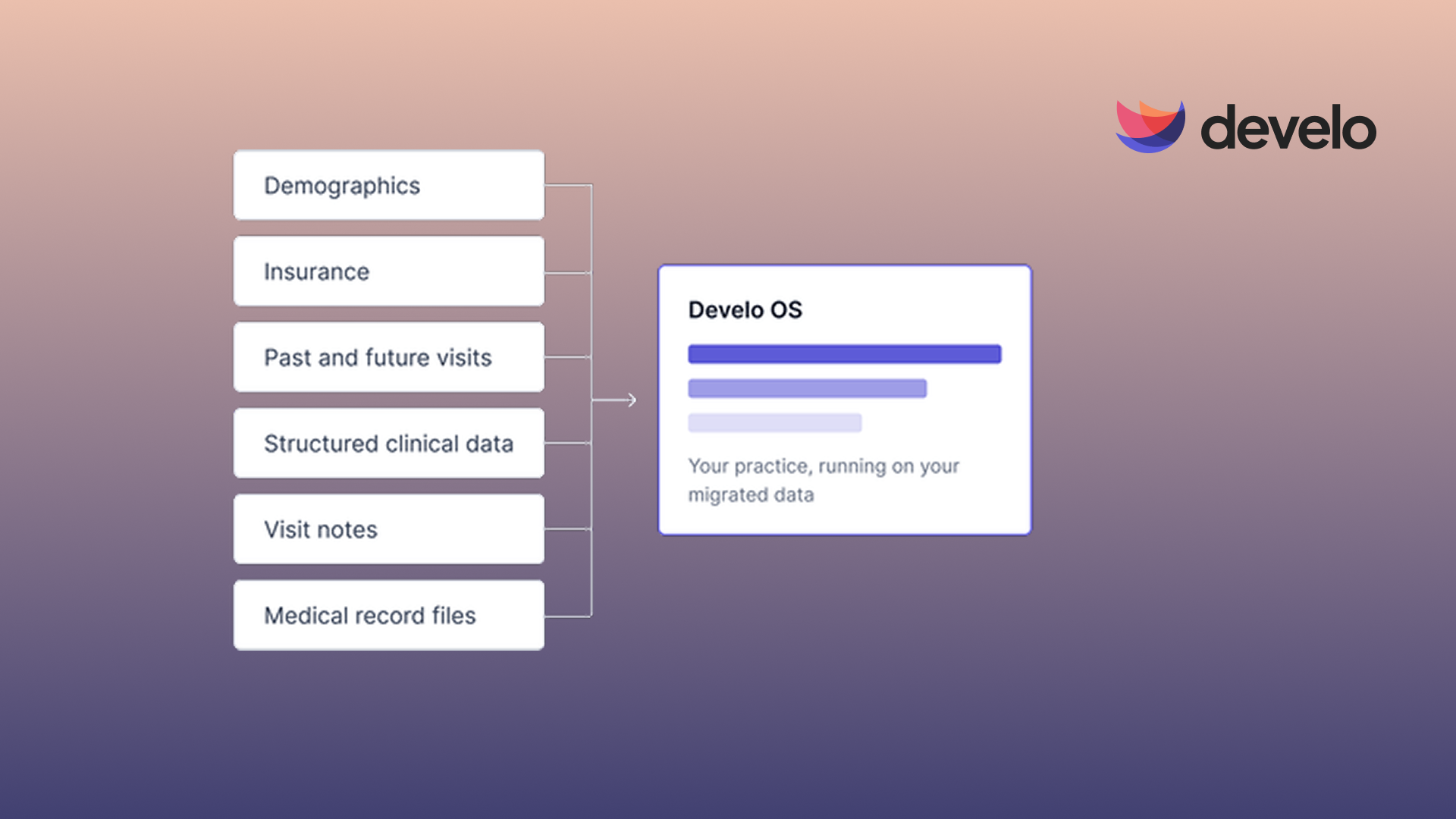
- Administrator: Sets long-term budgets, evaluates major purchases like a new EMR and the EMR data migration that comes with it, and structures physician compensation.
- Manager: Tracks daily expenses, checks that claims go out clean, and runs payroll.
Salary and Compensation
The Bureau of Labor Statistics (BLS) counts both titles under medical and health services managers, an occupation with a median annual wage of $123,860 in May 2025.
In physicians' offices, the setting closest to an independent pediatric practice, the median was $105,770. BLS also projects 24% employment growth for the occupation from 2025 to 2035, against a 3% average for all occupations.
- Practice managers are compensated for operational oversight of a single site or a mid-sized group.
- Practice administrators generally sit at an executive pay tier, reflecting a graduate degree and accountability across sites.
Which Role Does Your Pediatric Practice Need?
Most independent pediatric practices are likely to need a practice manager well before they need an administrator.
Consider a practice manager if:
- You run one location or a small-group practice.
- Your problems are operational, such as wait times, scheduling backlogs, and no-shows.
- You need someone hands-on with the front desk and clinical staff daily.
Consider a practice administrator if:
- You run multiple locations or a larger provider group, or you're expanding fast.
- You need dedicated leadership for payer contracts, compliance at scale, or a health system integration.
- Your managers already handle daily operations, and what's missing is centralized strategy.
Many growing groups eventually run both. The administrator sets direction and secures the resources, and the practice manager turns that into a functioning clinic day.
Where Software Changes the Calculation
Software can now take on some of the coordination work that used to justify an extra manager or a larger admin team.
Develo is the AI-native operating system for pediatrics, unifying charting, billing, practice management, and family engagement in one system. Seven of its capabilities take on work that would otherwise sit on a manager's plate:
- Automated charge capture: Codes, units, and modifiers are set during the visit by pediatric rules for each visit type, and alerts flag possible underbilling. Develo maintains the charge capture and claim scrubbing rules itself and rolls updates out to practices, so a manager spends less time auditing charges by hand or keeping billing rules current.
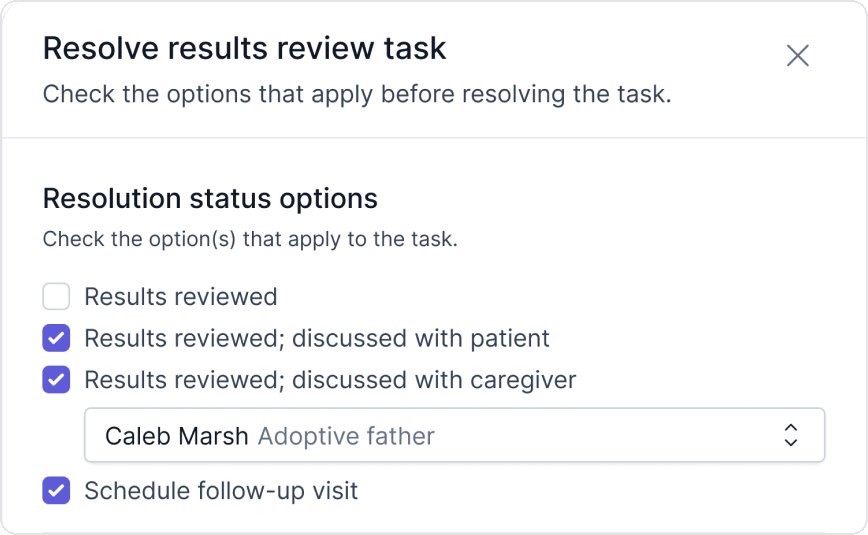
- Develo AI scribe: Writes into the visit note using pertinent chart data, with a clinician approving every section, so a practice manager spends less time chasing providers for unfinished notes. It's priced separately from the base subscription.
- AI beyond the scribe: The scribe is one part of Develo's AI suite. Develo doc intel auto-tags incoming e-faxes and uploaded files by patient and document type for single-click filing into the right chart, so staff aren't sorting a fax queue by hand. Develo AI forms digitizes any practice or patient form, wiring in the right variable and dynamic fields, so a new consent or intake form goes live without a build project.
- Intake and outreach: Automated visit reminders go to both patients and caregivers, families update demographics and insurance and complete forms and screeners before the visit with no account to set up or app to install, and well child recalls land in automated work queues, so the front desk spends less time on no-shows, missed recalls, and lobby paperwork.
- AI eligibility checks: Develo reads the insurance card automatically, then runs each eligibility response through AI-assisted interpretation, so the front desk sees what coverage means for the visit instead of decoding raw payer responses by hand.
- Quality and reporting: A dedicated quality module shows real-time performance on HEDIS measures such as well child visits and childhood immunizations, and flags care gaps inside the visit. Develo reports Q&A answers plain-English questions about clinical and administrative data, so tracking KPIs takes less manual report-building.
- Immunizations: Develo maps each patient's VFC eligibility from their primary health plan and flags any dose drawn from the wrong inventory, so a manager isn't reconciling VFC and private stock by hand.
Software won't settle the practice administrator vs. practice manager decision for you, since both roles rest on judgment built through experience. It can shrink the routine work that sits underneath that judgment.
With charge review and visit reminders automated, a one-location pediatric practice may find that a strong practice manager covers what it needs. A large group spread over several sites will still want an administrator at the top, and Develo gives that administrator every location on one system, with billing centralized across every site and reporting that rolls up from one clinic to the whole group.
Book a demo to see how Develo fits the way your practice manager or administrator already runs the clinic.
Frequently Asked Questions
Is a Practice Administrator the Same as a Practice Manager?
No, though the titles are used inconsistently across the industry. A practice administrator generally handles strategy, finance, and compliance across a group or multiple locations. A practice manager runs daily operations at a single site.
Does a Small Pediatric Practice Need a Practice Administrator?
Most solo or small-group pediatric practices tend to be better served by a practice manager. A practice administrator's cost and scope fit multi-location groups or larger provider counts, where strategic oversight across sites becomes its own job.
What Qualifications Does a Practice Manager Need?
Practice managers typically hold a bachelor's degree in healthcare administration or a related field. Credentials like the Certified Medical Manager (CMM), designed for managers of solo and small-group practices, or AAPC's Certified Physician Practice Manager (CPPM) can strengthen a candidate's standing. Many practices still promote from within based on experience.
How Much Does a Practice Administrator Earn Compared to a Practice Manager?
BLS doesn't publish separate pay figures for the two titles, but practice administrators generally earn more than practice managers. The gap tends to follow the size of the organization each role answers for, and local labor markets shift both figures.
Can One Person Do Both Jobs in a Pediatric Practice?
Yes, in a solo or small-group practice, one person often carries both sets of responsibilities. As a group adds providers and locations, strategic and operational work typically split into separate roles, as doing both jobs well becomes too much for one person.