
.avif)
Managing intake for pediatric patients means juggling siblings, multiple guardians, blended families, and age-specific screeners. These are complexities that most intake softwares aren’t built to handle.
These 6 patient intake solutions actually support pediatric workflows, helping independent clinics cut paperwork, reduce front-desk bottlenecks, and help check families in faster.
6 Best Patient Intake Software for Pediatric Clinics: At a Glance
1. Develo: Best Patient Intake Software for Pediatric Clinics Overall
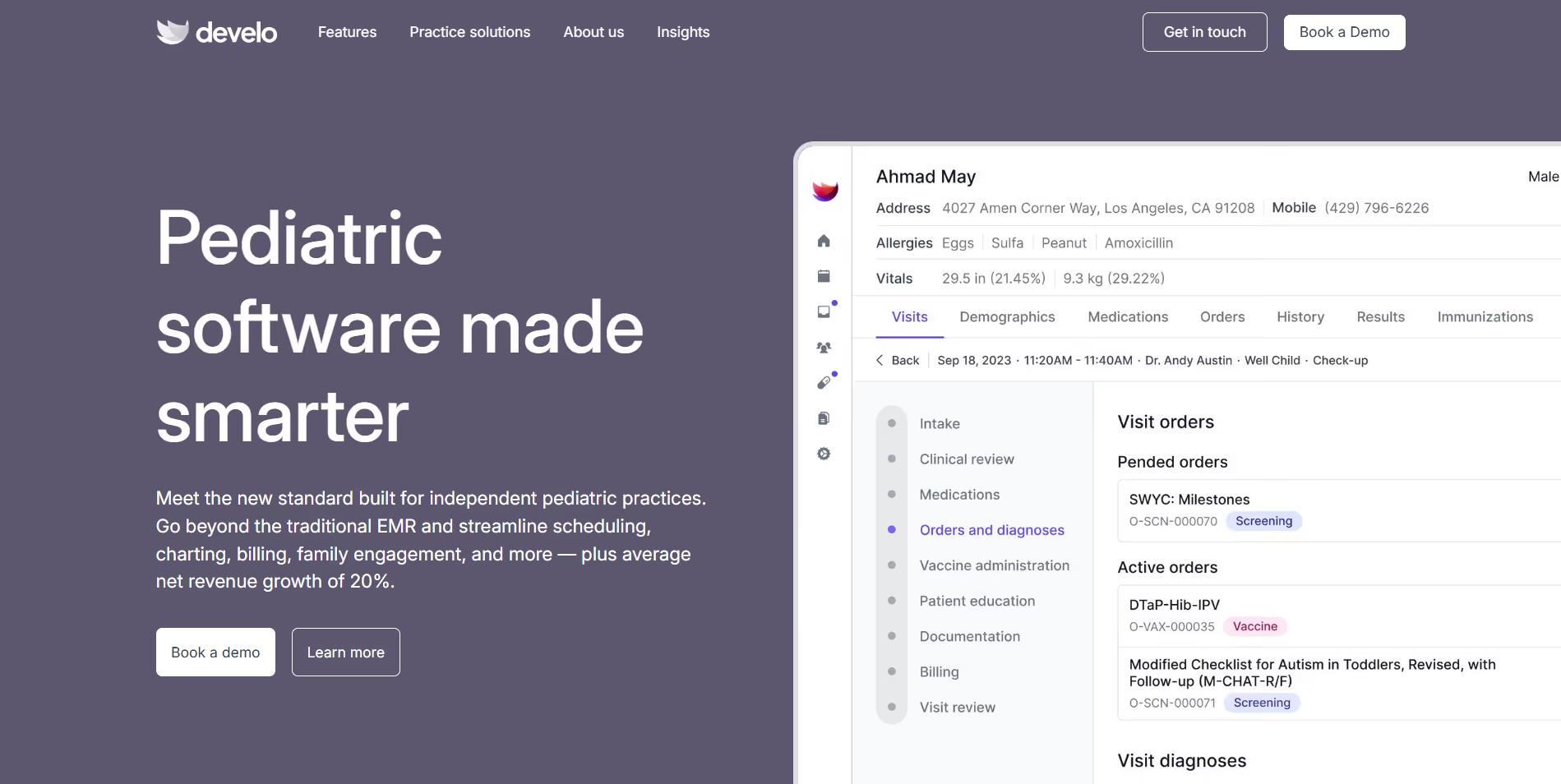
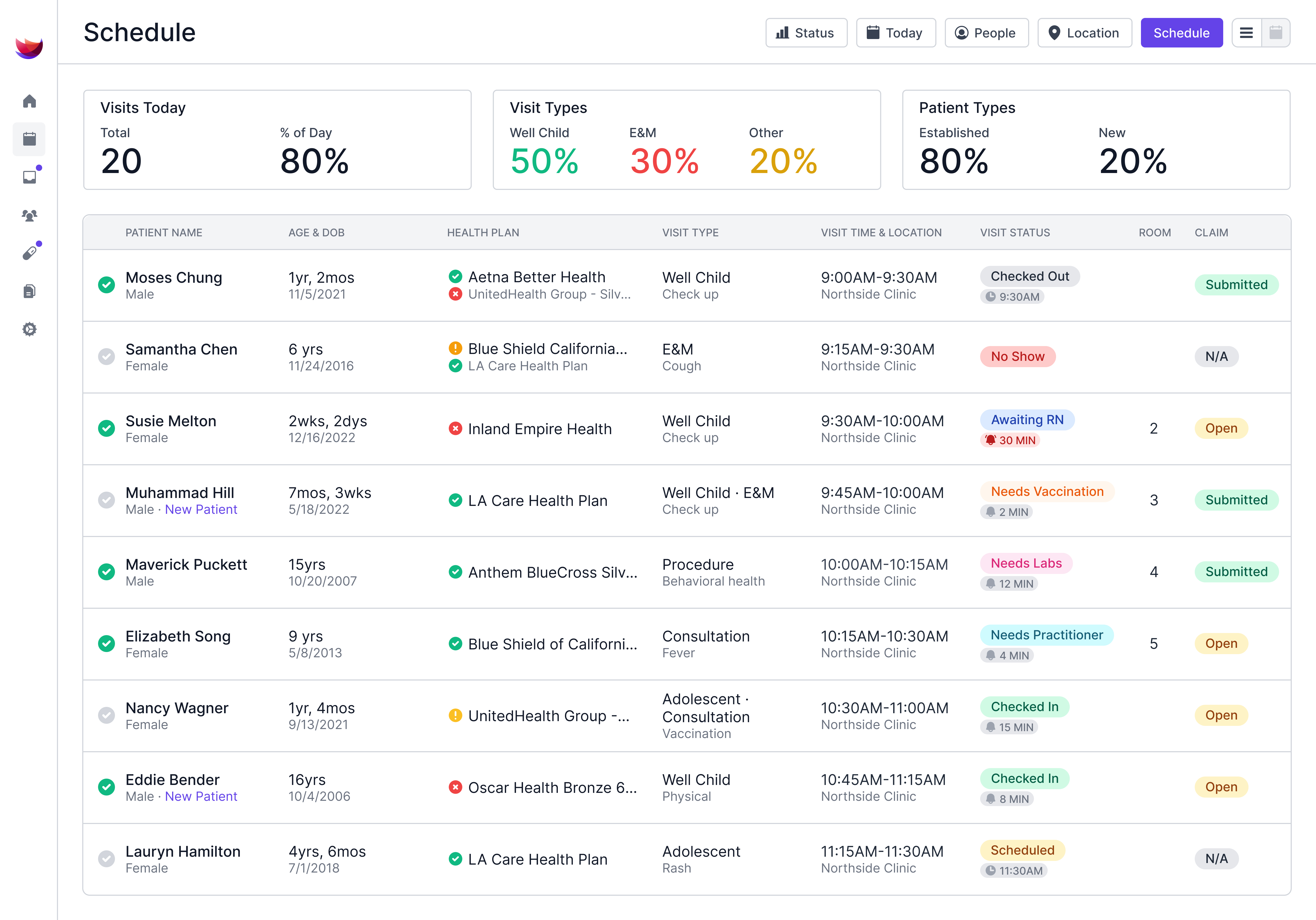
Develo is a modern EMR built exclusively for pediatric clinics with integrated patient intake software that automates digital forms, screeners, and family engagement.
Who it's for: Independent pediatric practices seeking a purpose-built solution that natively handles the complexity of family relationships, patient vs. caregiver nuances, and age-specific intake requirements.
Develo stands apart because it's the only patient intake software for pediatric clinics built from the ground up around the family unit.
Where other systems add pediatric features to adult-focused platforms, Develo's architecture natively handles blended families, multiple guardians and guarantors, and sibling relationships without workarounds. Unlike with other EMRs, there’s no need to pay for nor bolt on an additional intake solution.
Key Features
- Family-centered intake: Visit intake can be targeted to patients or primary guardians, with clearly separated experiences for updating patient, caregiver, and insurance details. Since intake is fully embedded, there is real-time, 100% fidelity sync of data with the EMR.
- New patient registration: Intake isn’t just for established patients; new patients can register ahead of visits, and do so without repeating or duplicating parent information.
- Digital screeners by age: Develo automatically sends developmental and behavioral health screeners (e.g., M-CHAT-R, PHQ-A, CRAAFT) to parents before appointments based on the child's age. Results flow into the EMR and are auto-scored, eliminating the need for time-consuming, manual scoring, and are auto-billed too.
- Digital forms: Forms that need to be completed before a visit can be sent out as part of intake, further streamlining visit check-in. Completed forms are automatically saved into the patient chart and are available on the family portal.
Pros
✅ Purpose-built for pediatrics: Develo handles nuances that generalized patient intake software for pediatric clinics misses, such as complexities around family dynamics.
✅ All-in-one platform: Replaces separate intake software, digital screener software, and communication tools. Practices report saving 10+ hours per user weekly.
✅ Fully-integrated workflows: Since intake is natively part of the EMR, downstream workflows to save updated demographics and insurance information, ensure signed forms are readily acessible, and completed visit screens are billed all happen automatically and seamlessly.
Cons
❌ Independent practices only: Develo focuses exclusively on independent pediatric clinics, so health system-owned practices may need to look elsewhere.
❌ Newer to market: While rapidly adding features, some practices may prefer established vendors with longer track records.
Pricing
Develo offers comprehensive per-provider monthly pricing with no add-on fees, with intake experiences bundled with the core EMR. Data migration, training, configuration, and 24/7 support are included. Contact for specific quotes.
Bottom Line
Develo is the strongest choice for independent pediatric clinics seeking patient intake software for pediatric clinics that actually understands pediatric workflows. The family-centered architecture and automated screener delivery solve problems other platforms can't touch.
2. Phreesia: Best for General Practice Intake
Phreesia is a patient intake management platform that digitizes registration, collects patient-reported outcomes, and automates revenue cycle tasks across healthcare specialties.
Who it's for: Pediatric practices looking for a general ambulatory solution, and children's hospitals needing enterprise-grade patient intake software for pediatric clinics with extensive EHR integrations.
Key Features
- Automated PRO delivery: Rules-based logic sends age-appropriate screeners (PHQ-2/9, M-CHAT-R, ASQ-3) to families before appointments. Completed assessments auto-score and populate clinical records.
- Multi-device check-in: Parents complete registration from home, mobile, or in-office tablets. Forms adapt based on visit type and patient age.
- Insurance verification: Real-time eligibility checks run automatically when appointments are scheduled, reducing billing surprises.
Pros
✅ Deep EHR integrations: Phreesia connects bidirectionally with Office Practicum, athenahealth, NextGen, and 20+ other systems pediatric practices use.
✅ 87% lower no-shows: Practices report significantly fewer missed appointments when families complete pre-visit check-in.
Cons
❌ Not pediatric-exclusive: Phreesia serves all specialties, so pediatric features compete with general healthcare priorities in development.
❌ Complex pricing: Custom quotes based on volume and modules make cost comparison difficult. Smaller practices may find features overwhelming.
❌ Family management limitations: Blended families, multiple guardians, and sibling relationships require workarounds that purpose-built pediatric systems handle natively.
❌ Harsh reviews: Many reviewers point out information loss and system errors.
Pricing
Custom pricing based on practice size, visit volume, and selected modules. Contact Phreesia for quotes.
Bottom Line
Phreesia works well for pediatric practices needing general patient intake software for pediatric clinics with broad EHR compatibility. Practices seeking pediatric-specific innovation may find the generalized approach limiting.
3. Yosi Health: Best for Pre-Arrival Registration
Yosi Health provides digital front door automation with customizable intake forms, self-scheduling, and pre-arrival registration.
Who it's for: Pediatric practices needing patient intake software for clinics handling 260+ appointment types, each with specific intake requirements.
Key Features
- Age-based form logic: The system sends correct screeners and questions based on the child's age and appointment type, with no manual staff selection needed.
- Pre-arrival completion: Parents complete registration, upload insurance, and complete clinical screening before arrival.
- Direct EMR integration: Completed intake data flows into patient charts without scanning, transcription, or manual entry.
Pros
✅ Pediatric customization: Handles complex well-child visits, with different ages requiring different developmental screeners, questions, and consent forms.
✅ Reduced waiting room time: Families spend less time filling out forms and more time with providers when intake is completed before arrival.
✅ Physician-founded: Product reflects real clinical workflows rather than theoretical software design.
Cons
❌ Standalone solution: Yosi Health handles intake but isn't a full EMR, so practices need separate clinical documentation systems.
❌ Integration-dependent: Value depends heavily on connection quality with your existing EMR. Some integrations work better than others.
Pricing
Contact Yosi Health for custom pricing based on practice size and needs.
Bottom Line
Yosi Health excels at patient intake software for pediatric clinics where appointment type complexity demands flexible automation. Practices with established EMRs that are seeking a dedicated intake layer should strongly consider it.
4. NexHealth: Best for Two-Way EMR Sync
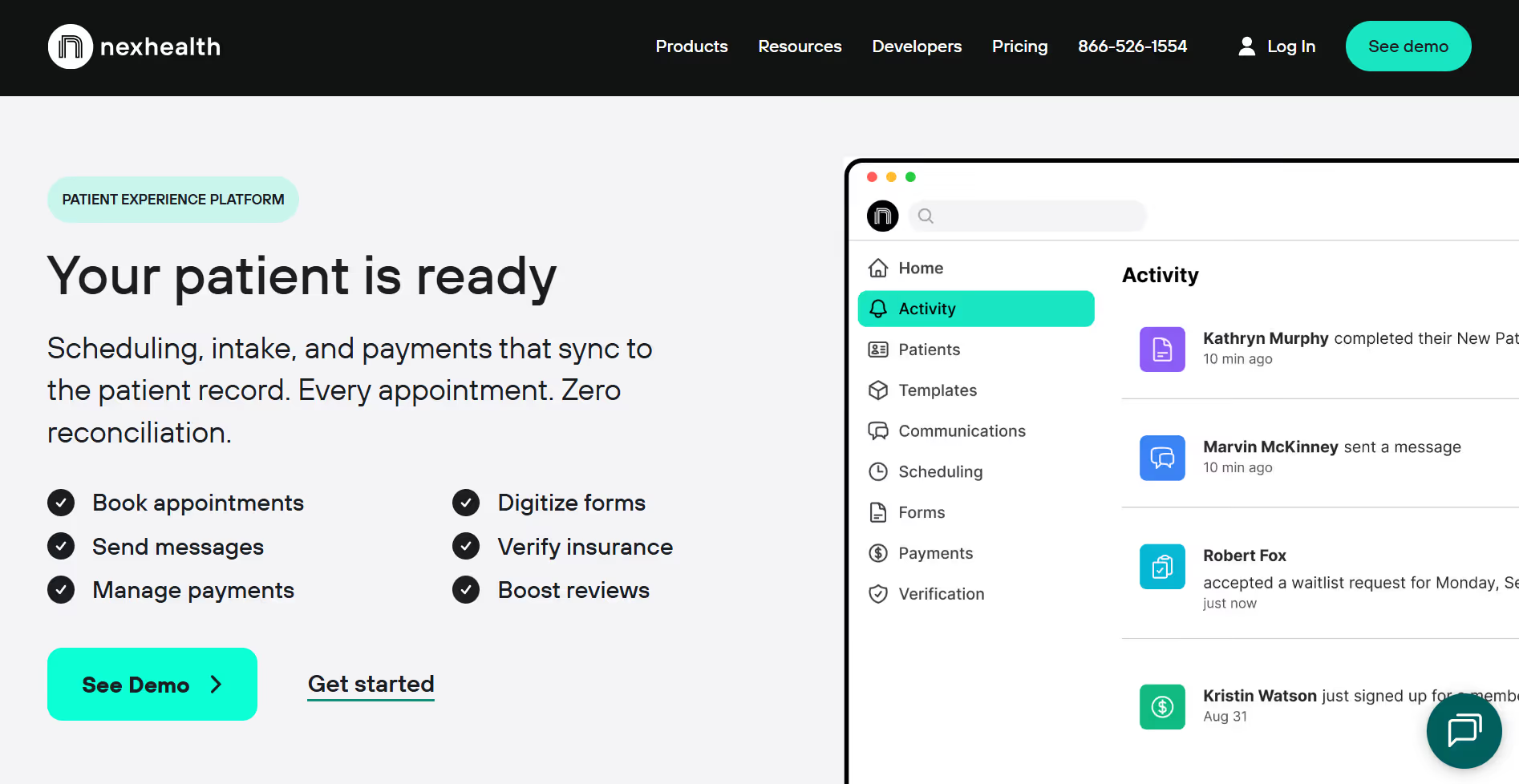
NexHealth is a patient experience platform that handles digital forms, scheduling, messaging, and payments, with bidirectional EHR/EMR integration.
Who it's for: Pediatric practices seeking patient intake software where data flows in both directions between intake forms and clinical systems. NexHealth differentiates through Synchronizer tech that reads from and writes back to practice management systems.
Key Features
- Bidirectional sync: NexHealth writes completed form data directly into your EMR, not just exports it. EMR updates are automatically reflected in patient-facing portals.
- HIPAA-compliant forms: Digital intake collects medical history, insurance information, and consents in accordance with HIPAA security standards.
- Automated workflows: Forms are sent automatically when appointments are scheduled. Incomplete submissions receive follow-ups. Completed data routes without staff intervention.
Pros
✅ Zero data entry: Two-way integration eliminates transcription work that consumes front desk time with other patient intake software for pediatric clinics.
✅ Multi-channel delivery: Intake forms sent via text, email, or patient portal based on family preferences.
✅ Paperless savings: Practices report saving $500+ monthly by eliminating paper form costs.
Cons
❌ Generalized platform: NexHealth serves dental and medical practices broadly. Pediatric-specific features are limited.
❌ No family architecture: The system treats each patient individually rather than understanding family relationships and sibling dynamics.
❌ Separate clinical tools needed: NexHealth handles intake and engagement, but isn't a clinical documentation system.
❌ Too expensive: Users point out the steep price and lack of tech support.
Pricing
Contact NexHealth for quotes based on practice size and feature requirements.
Bottom Line
NexHealth delivers strong patient intake software for pediatric clinics when seamless EMR integration is the priority. Practices that need pediatric-specific workflows may find the generalized approach insufficient.
5. IntakeQ: Best for Custom Forms
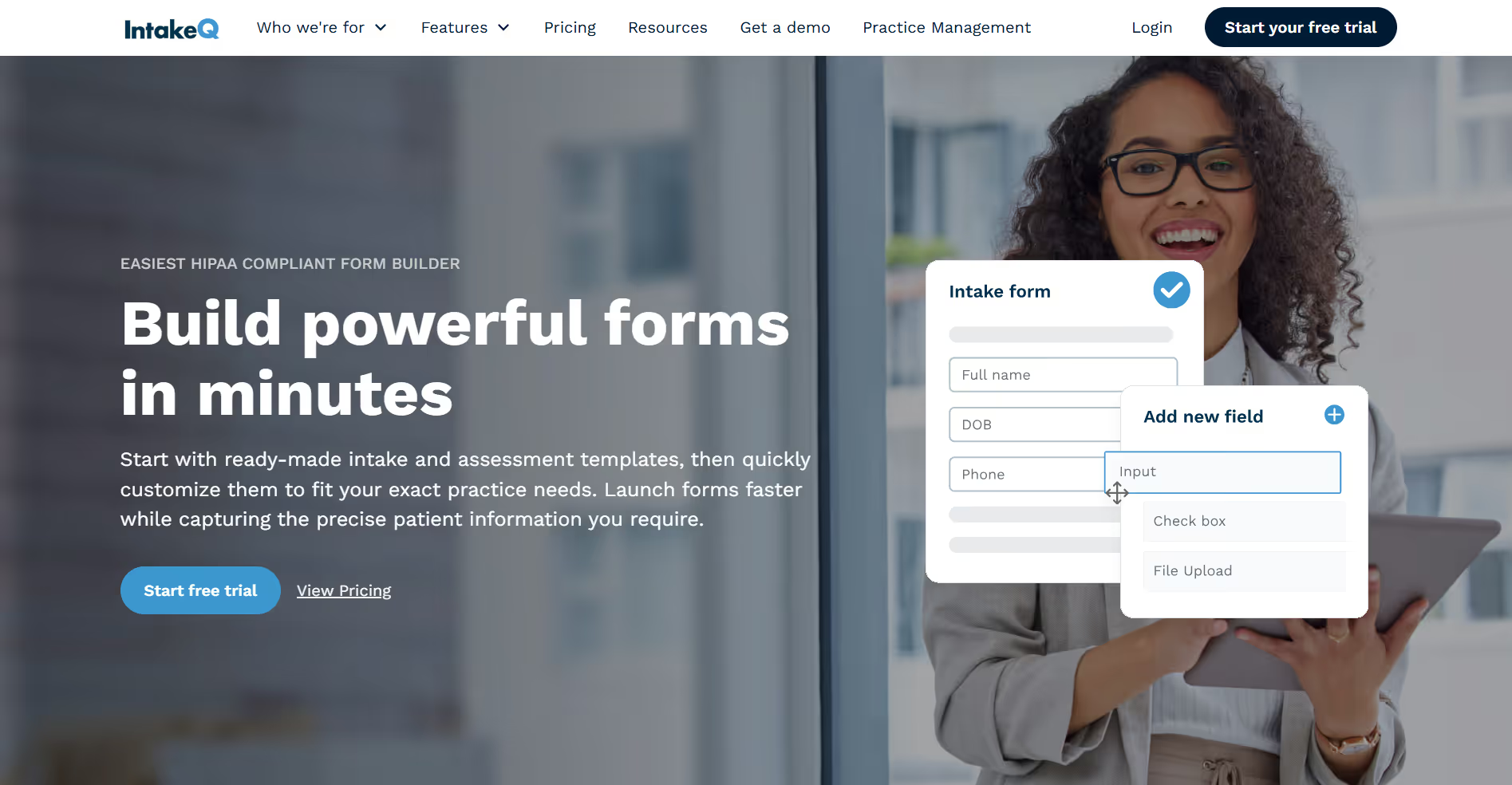
IntakeQ is a digital intake platform with drag-and-drop form builders, appointment scheduling, and patient communication tools.
Who it's for: Pediatric practices seeking patient intake software for pediatric clinics with maximum flexibility to create custom workflows without developer help. IntakeQ started as a forms platform and has evolved into a full patient management system. Its strength is the form builder that creates exactly what practices need.
Key Features
- Drag-and-drop builder: Create custom intake forms with conditional logic that shows different questions based on previous answers, useful for branching pediatric screeners.
- Specialty templates: Pre-built templates for common pediatric forms provide starting points that practices customize to their workflows.
- Appointment integration: Forms attach to specific appointment types. Well-child visits automatically include appropriate developmental screeners.
Pros
✅ Maximum customization: Build any form without waiting for vendor development or paying for custom work.
✅ Affordable entry: Starting at $54.90/month for core features, IntakeQ offers accessible patient intake software for pediatric clinics compared to enterprise alternatives.
✅ HIPAA-compliant messaging: Secure two-way communication with families supports ongoing care coordination.
Cons
❌ No pediatric specialization: The platform serves all healthcare types. Pediatric-specific features require manual configuration.
❌ Limited family management: Multiple children and complex guardian relationships take extra setup work.
❌ Tricky customization: Some users claim it can take some time to fine-tune their workflows, especially since IntakeQ isn't an EMR but a standalone product.
❌ No auto-scoring: While you can build any screener you want, forms don't score automatically. Staff must manually calculate results for developmental and behavioral assessments like M-CHAT-R or PHQ-A.
Pricing
Plans start at $54.90/month for core features. Higher tiers add appointment scheduling, payments, and advanced automation.
Bottom Line
IntakeQ is ideal for pediatric practices seeking patient intake software where custom forms matter more than pediatric-specific automation. Affordable pricing makes it accessible to smaller practices willing to invest in setup time.
6. Jotform: Best for Budget-Friendly Form Building
Jotform is a form builder with HIPAA-compliant options that lets practices create custom patient intake forms without coding or expensive software.
Who it's for: Pediatric practices that need affordable, flexible intake forms and are comfortable building workflows themselves rather than relying on healthcare-specific automation.
Key Features
- Drag-and-drop form builder: Create intake forms, consent documents, and medical history questionnaires using pre-built templates or custom designs. Conditional logic shows different questions based on parent responses.
- HIPAA compliance available: Jotform's paid plans include HIPAA compliance with Business Associate Agreements, encrypted data storage, and access controls required for protected health information.
- Payment collection: Accept copays and outstanding balances directly through forms using integrations with Square, PayPal, and Stripe.
Pros
✅ Low barrier to entry: Starting at $34/month for HIPAA-compliant forms, Jotform costs a fraction of dedicated healthcare intake platforms.
✅ Massive template library: Thousands of healthcare form templates provide starting points for common pediatric intake needs.
✅ No healthcare lock-in: Since Jotform isn't healthcare-specific, practices can use it for patient intake, staff surveys, event registrations, and operational forms from one platform.
Cons
❌ No healthcare-specific automation: Jotform won't auto-send age-appropriate screeners or understand well-child visit workflows. You build and manage everything manually.
❌ No native EMR integration: Getting form data into your clinical system requires manual exports, Zapier connections, or copy-paste workflows.
❌ No auto-scoring: Developmental and behavioral screeners like M-CHAT-R or PHQ-A must be scored manually. The platform collects answers but doesn't calculate results.
❌ No family architecture: Each form submission stands alone. Managing siblings, linking guardians, and tracking family relationships requires workarounds outside the platform.
Pricing
HIPAA-compliant plans start at $34/month (billed annually). Higher tiers increase form limits, submissions, and storage. A signed BAA is included with HIPAA plans.
Bottom Line
Jotform works for pediatric practices that need affordable intake forms and have staff time to build and manage workflows manually. Practices wanting automated screeners, EMR integration, or family management should consider purpose-built healthcare solutions.
How I Tested These Patient Intake Software Solutions
What I looked for:
- Pediatric-specific features: Does the software understand pediatric workflows,age-based screeners, family relationships, and sibling management? Or does it bolt generic healthcare features onto pediatric use cases?
- Family management: Can the system handle blended families, multiple guardians, and communication preferences that vary by family member? Pediatric intake involves families, not individual patients.
- EMR integration depth: Does data flow into clinical systems, or do staff still transcribe? Two-way sync matters more than basic connections.
- Screener automation: Are developmental screeners delivered, scored, and recorded automatically based on patient age and visit type? Manual screener management wastes clinical time.
My testing process: I analyzed vendor websites, user reviews, and weighted pediatric-specific capabilities heavily since general healthcare features don't address children's practice needs.
Extra factors I considered:
- Pricing transparency: Some vendors make cost comparison nearly impossible with custom quotes and modular pricing varying dramatically.
- Implementation support: Switching patient intake software for pediatric clinics disrupts operations. Quality onboarding, training, and post-launch support matter.
Which Solution Should You Choose?
The right patient intake software for pediatric clinics depends on your practice structure, existing technology, and workflow pain points.
Choose Develo if you:
- Run an independent pediatric clinic with 3-15 providers
- Need family-centered architecture that handles blended families and multiple guardians natively
- Want automated age-based screeners delivered and scored without manual staff work
- Prefer an all-in-one platform that replaces multiple point solutions
Choose Phreesia if you:
- Operate a larger pediatric practice or children's hospital department
- Need enterprise-grade patient intake software for pediatric clinics with proven scale
- Already use an EHR that Phreesia integrates with deeply
- Value established vendor stability over cutting-edge pediatric innovation
Choose Yosi Health if you:
- Need to customize intake workflows for 260+ pediatric appointment types
- Want best-in-class pre-arrival registration completion rates
- Have an existing EMR you plan to keep, and need a dedicated intake layer
Avoid these tools if you:
- Run a family practice seeing primarily adult patients; pediatric-specific tools won't fit
- Need specialty features for behavioral health, dental, or other non-pediatric care
- Operate within a large hospital system with mandated enterprise platforms
My Final Verdict
Develo emerges as the strongest patient intake software for pediatric clinics serving independent practices. Its family-centered architecture, automated screener delivery, and purpose-built approach address problems that generalized platforms can't solve elegantly.
Phreesia remains a solid choice for larger practices that need enterprise features and proven stability. Yosi Health excels at pre-arrival registration for practices keeping their existing EMR.
The critical factor: pediatric care revolves around families, not individual patients.
Patient intake software for pediatric clinics that understands this (handling siblings, guardians, and blended families) delivers better results than platforms retrofitting pediatric features onto adult-focused architecture.
Simplify Patient Intake for Your Pediatric Clinic
Managing patient intake at a pediatric clinic means juggling digital forms, developmental screeners, sibling records, and family communication, often across disconnected tools.
Develo was built exclusively for independent pediatric practices. Here's what you can do:
- Send age-appropriate screeners automatically to families before appointments, with results flowing directly into patient charts and auto-scoring
- Manage family relationships natively with architecture designed for blended families, multiple guardians, and sibling connections
- Protect patient confidentiality with configurable settings limiting parent access to teen visit notes, diagnoses, and results
- Automate well-child recall with text reminders and self-scheduling links that close care gaps without adding front desk work
- Collect payments digitally through text message links covering real-time family balances
Stop piecing together patient intake software for pediatric clinics that wasn't built for how you practice. Book a free demo to see how Develo helps pediatric clinics streamline intake and focus on caring for kids.
Frequently Asked Questions
What is the best patient intake software for pediatric clinics?
The best patient intake software for pediatric clinics is Develo.
It's built exclusively for independent pediatric practices, with a family-centered architecture that automates age-appropriate developmental screeners and handles sibling and guardian relationships natively.
These are features that generalized healthcare platforms can't match.
How does patient intake software for pediatric clinics differ from general healthcare intake tools?
Patient intake software for pediatric clinics handles family relationships (siblings, multiple guardians, blended families), age-based developmental screeners (ASQ-3, M-CHAT-R), and well-child visit workflows.
General healthcare intake tools treat each patient individually without understanding the family unit that defines pediatric care.
Can patient intake software for pediatric clinics integrate with my existing EMR?
Most patient intake software for pediatric clinics offers EMR integrations, but quality varies. Some provide one-way data exports that require manual review. Others offer bidirectional synchronization, with completed forms written directly to patient charts.
Develo and NexHealth provide strong two-way integration. Phreesia connects with 20+ common pediatric systems.
What features should I look for in patient intake software for pediatric clinics?
Prioritize automated age-based screener delivery, family management handling siblings and multiple guardians, two-way EMR integration, and digital payment collection. Bonus features include automated well-child recall and self-scheduling for families.