
.avif)
The CRAFFT is a validated screening tool that flags substance use, driving risk, and substance use disorders in patients ages 12 to 21. This guide covers what it measures, how to administer it, how to score it, and what to do with the results.
What Is the CRAFFT Screening Tool?
The CRAFFT is a brief, validated screener designed specifically for adolescents. The American Academy of Pediatrics (AAP) recommends it through its Bright Futures guidelines, and thousands of pediatric clinics use it during routine well-visits.
It was developed by John R. Knight, MD and colleagues at the Center for Adolescent Behavioral Health Research (CABHRe) at Boston Children's Hospital.
Their goal was to create a short, developmentally appropriate screener for teens, similar in simplicity to the CAGE questionnaire for adults, but covering both alcohol and drugs together.
What Does CRAFFT Stand For?
CRAFFT is an acronym built from keywords in the six yes/no questions that make up Part B of the screener: Car, Relax, Alone, Forget, Friends/Family, and Trouble.
Here are the six Part B questions:
- C (Car): Have you ever ridden in a car driven by someone (including yourself) who was high or had been using alcohol or drugs?
- R (Relax): Do you ever use alcohol or drugs to relax, feel better about yourself, or fit in?
- A (Alone): Do you ever use alcohol or drugs while you are by yourself or alone?
- F (Forget): Do you ever forget things you did while using alcohol or drugs?
- F (Friends/Family): Do your family or friends ever tell you that you should cut down on your drinking or drug use?
- T (Trouble): Have you ever gotten into trouble while you were using alcohol or drugs?
The Car question is unique because it assesses the risk of riding with an impaired driver, one of the leading causes of adolescent death in the U.S.
The remaining five questions (RAFFT) focus on patterns and consequences of substance use.
What Does the CRAFFT Screening Tool Measure?
The CRAFFT measures three things:
- Past-12-month substance use (alcohol, marijuana, and other drugs)
- Substance-related riding and driving risk
- Likelihood of meeting criteria for a DSM-5 Substance Use Disorder (SUD)
It's the most well-studied adolescent substance use screener available and has been validated across diverse socioeconomic and racial/ethnic backgrounds.
Research shows AUC (area under the curve) values of 0.93 for problem use and 0.97 for DSM-5 SUD, according to a 2014 validation study.
AUC measures how well a screening tool distinguishes between patients who have a condition and those who don't. A score of 1.0 would be perfect accuracy.
Values above 0.90 are considered excellent, which means the CRAFFT is highly accurate at identifying adolescents with substance-related issues.
The CRAFFT does not diagnose a substance use disorder. It flags those who need further assessment. That distinction matters because screening and diagnosis serve different clinical functions.
Who Should Be Screened Using CRAFFT?
The CRAFFT targets adolescents and young adults ages 12 to 21. The developers at CABHRe validated it for ages 12 to 18. Other researchers have validated it in patients up to age 26.
Three major bodies recommend routine CRAFFT screening in pediatric settings:
- AAP's Bright Futures Guidelines for preventive care screenings and well-visits
- The Center for Medicaid and CHIP Services' EPSDT program for Early and Periodic Screening, Diagnostic, and Treatment
- The National Institute on Alcohol Abuse and Alcoholism (NIAAA) through its Youth Screening Guide
You should administer the CRAFFT at every well-child visit starting at age 12 or when substance use is suspected. Universal screening catches risk early, before patterns become disorders.
How Is the CRAFFT 2.1 Different From Older Versions?
The CRAFFT 2.1 replaced older yes/no opening questions with frequency-based items: "During the past 12 months, on how many days did you..." followed by "Say 0 if none."
Asking "how many days" normalizes the behavior being asked about, which encourages more honest answers from teens.
This change matters for two reasons:
- Prior research found the original yes/no questions had relatively low sensitivity: only 62% for alcohol and 72% for marijuana
- Frequency-based questions reduce social desirability bias, which means teens are less likely to underreport use
In a study of 708 adolescent primary care patients ages 12 to 18, the new frequency questions showed improved sensitivity for identifying past-12-month use: 79% for alcohol and 86% for drugs, compared with 62% and 72% for the old yes/no format.
The frequency questions achieved 96% sensitivity and 81% specificity for detecting any substance use across all categories.
Both versions are free to use and available in 30+ languages.
CRAFFT 2.1+N: Addressing Nicotine
The CRAFFT 2.1+N adds a fourth opening question about nicotine and vaping, plus the 10-item Hooked on Nicotine Checklist (HONC) for patients who report any nicotine use.
AAP Bright Futures guidelines recommend nicotine screening starting at age 11, but the original CRAFFT focused only on alcohol and drugs.
According to the U.S. Surgeon General, nearly 90% of smokers started before age 18. Research shows that symptoms of nicotine dependence can appear early in adolescents, sometimes within weeks or months of the onset of regular use.
Given the rapid rise in adolescent vaping, the CRAFFT 2.1+N gives your practice a way to screen for nicotine dependence within the same workflow as alcohol and drug screening, without adding a second tool.
How to Administer the CRAFFT Screening
You can give the CRAFFT two ways:
- Self-administered: The patient fills it out on paper or digitally before the visit
- Clinician-administered: You ask the questions verbally in a private setting
CABHRe recommends the self-administered version. Their research shows adolescents report greater comfort and a higher likelihood of honest answers with self-administered questionnaires.
A study published in Frontiers in Adolescent Medicine also found that electronic self-administration was associated with higher rates of reported substance use compared with clinician-led interviews.
Self-Administered Version
Hand the patient the questionnaire before the visit. The patient answers Part A (frequency questions) and Part B (CRAFFT questions) on their own. This saves appointment time and gives you scored results to discuss during the visit.
If you're looking for ways to keep patients engaged while they complete pre-visit forms, optimizing your waiting room experience can help.
Clinician-Administered Version
Start with a confidentiality statement.
Something like: "I'm going to ask you a few questions that I ask all of my patients. Please be honest. Your answers will be kept confidential. If I am concerned about your immediate safety, I will let you know so we can discuss next steps."
Then ask the Part A frequency questions exactly as worded. The rest follows a skip pattern (more on this below).
The Skip Pattern
This step saves time and reduces unnecessary questions:
- If the patient answers "0" to all Part A questions, ask the Car question only from Part B
- If the patient answers greater than 0 on any Part A question, ask all six Part B CRAFFT questions
Confidentiality and EHR Integration
CRAFFT screening results are protected under federal confidentiality rules (42 CFR Part 2). These rules restrict how substance use screening data can be shared, even within the same health system.
Work with your medical records team to store results in a way that protects each adolescent’s privacy. This is crucial because positive screens could reach a parent through insurance claims if the adolescent is on a parent's plan.
If you're integrating the CRAFFT into an EHR, make sure the data is stored with appropriate confidentiality protections in place.
How to Score the CRAFFT
CRAFFT scoring uses Part B only. Each "Yes" response equals 1 point. Total scores range from 0 to 6.
Score Breakdown and Risk Levels
The 2014 study confirmed the cut-off score of 2 performs optimally against DSM-5 criteria (sensitivity 91%, specificity 93% for detecting any DSM-5 SUD among 12- to 17-year-olds).
A multi-site study across 16 pediatric emergency departments found that a baseline CRAFFT score of 2 or higher was associated with moderate or severe SUD at 1-year follow-up.
However, predictive validity diminished at 2- and 3-year follow-up, and the positive predictive value at 1 year was low (only 8.5% of youth with positive screens developed moderate/severe SUD). This supports annual rescreening rather than relying on a single result.
For older adolescents and young adults (ages 18 to 20), research suggests a higher cut-off of 3 may be more appropriate, with one study finding a sensitivity of 82% and specificity of 67% at that threshold.
What About “Car-Only” Patients?
If a patient reports zero substance use in Part A but answers "Yes" to the Car question, you should still have a conversation with them. The patient may not use substances, but they're riding with impaired drivers, which is a direct safety risk.
Discuss safe transportation alternatives and the dangers of riding with someone under the influence.
What to Do After Scoring
A CRAFFT score alone isn't the endpoint. What you do next determines whether the screening leads to a meaningful clinical outcome.
For Scores of 0 (No Use Reported)
Reinforce the patient's choice. Let them know that most teens their age don't use substances, which is true and works as a protective factor.
Brief positive reinforcement during a well-visit takes 30 seconds and strengthens the patient's decision to stay substance-free.
For Scores of 1 (Lower Risk)
Use brief counseling based on the "5 Rs" framework recommended by CABHRe:
- Review: Go over the screening results with the patient
- Recommend: Advise against substance misuse
- Risk: Counsel on risks associated with substance use
- Response: Encourage self-motivation to change behavior
- Reaffirmation: Reinforce the patient's self-efficacy
This is where the bar chart on the CRAFFT card becomes useful. Show the patient where their score falls. A score of 1 corresponds to a 32% chance of meeting SUD criteria, still meaningful and worth discussing.
For Scores of 2 or Higher (Elevated Risk)
A score of 2 or above signals the need for further assessment. This could include a more detailed clinical interview, a structured diagnostic tool, or referral to a behavioral health specialist.
Document the score, the conversation, and any referral.
For Scores of 4 to 6 (High Risk)
These patients have high positive predictive values for moderate or severe SUD. According to the CRAFFT 2.1 Manual, the PPVs break down as follows:
- Score of 4: 54% PPV
- Score of 5: 70% PPV
- Score of 6: 100% PPV
Referral to a substance use treatment professional is strongly indicated. Coordinate with the patient and family (when appropriate and with consent) to connect them with care.
Billing and Documentation
Standardized screener administration during a well-visit is typically a billable service. If you're administering the CRAFFT, make sure you're capturing the screening for billing so your practice doesn't lose revenue on work you're already doing.
Document the score, the brief intervention or conversation, and any referral. Proper documentation supports both clinical continuity and reimbursement.
Building screener documentation directly into your workflow makes a big difference for pediatric practices looking to streamline operations and capture more revenue.
Automate CRAFFT Screening in Your Pediatric Clinic
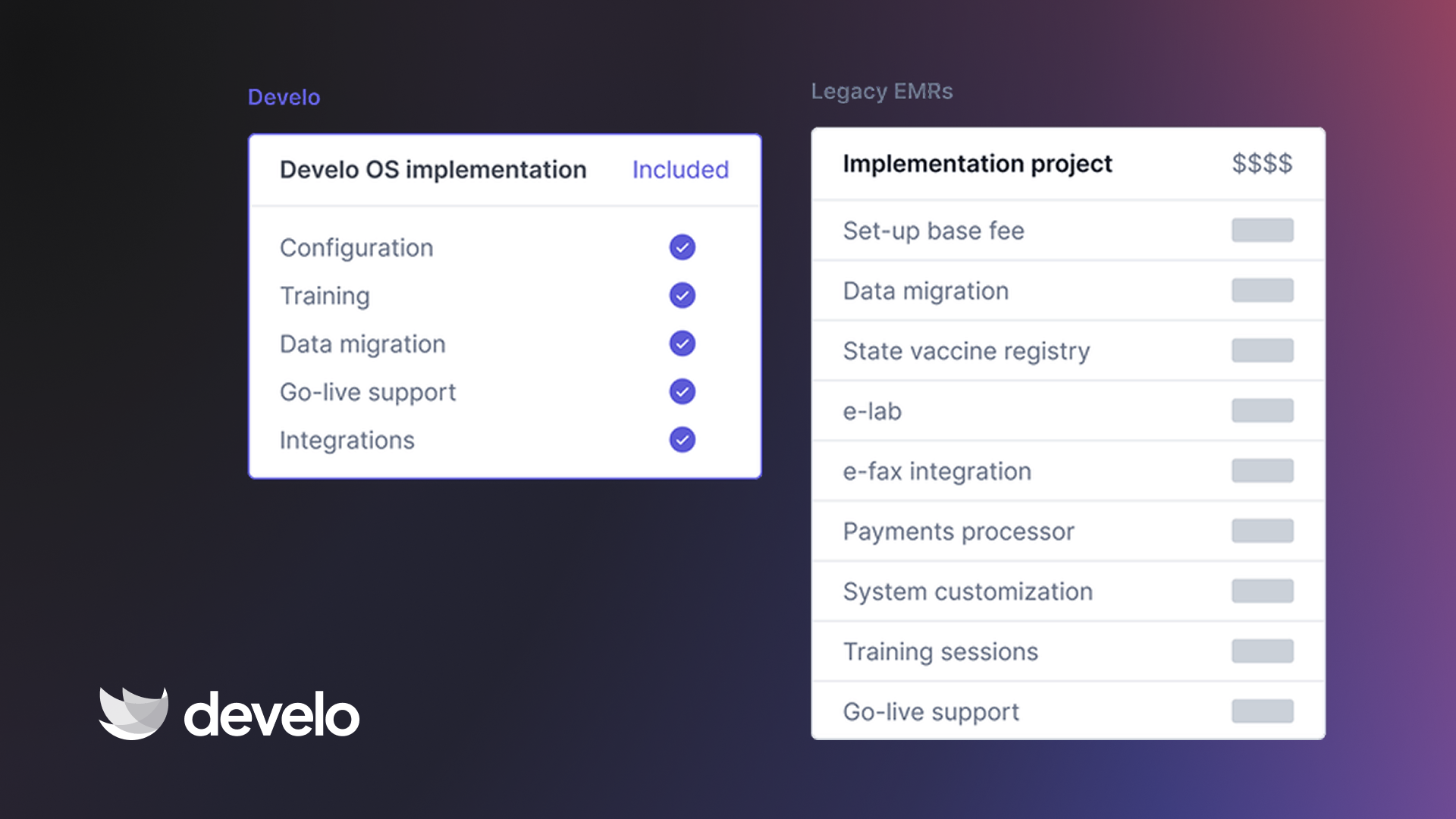
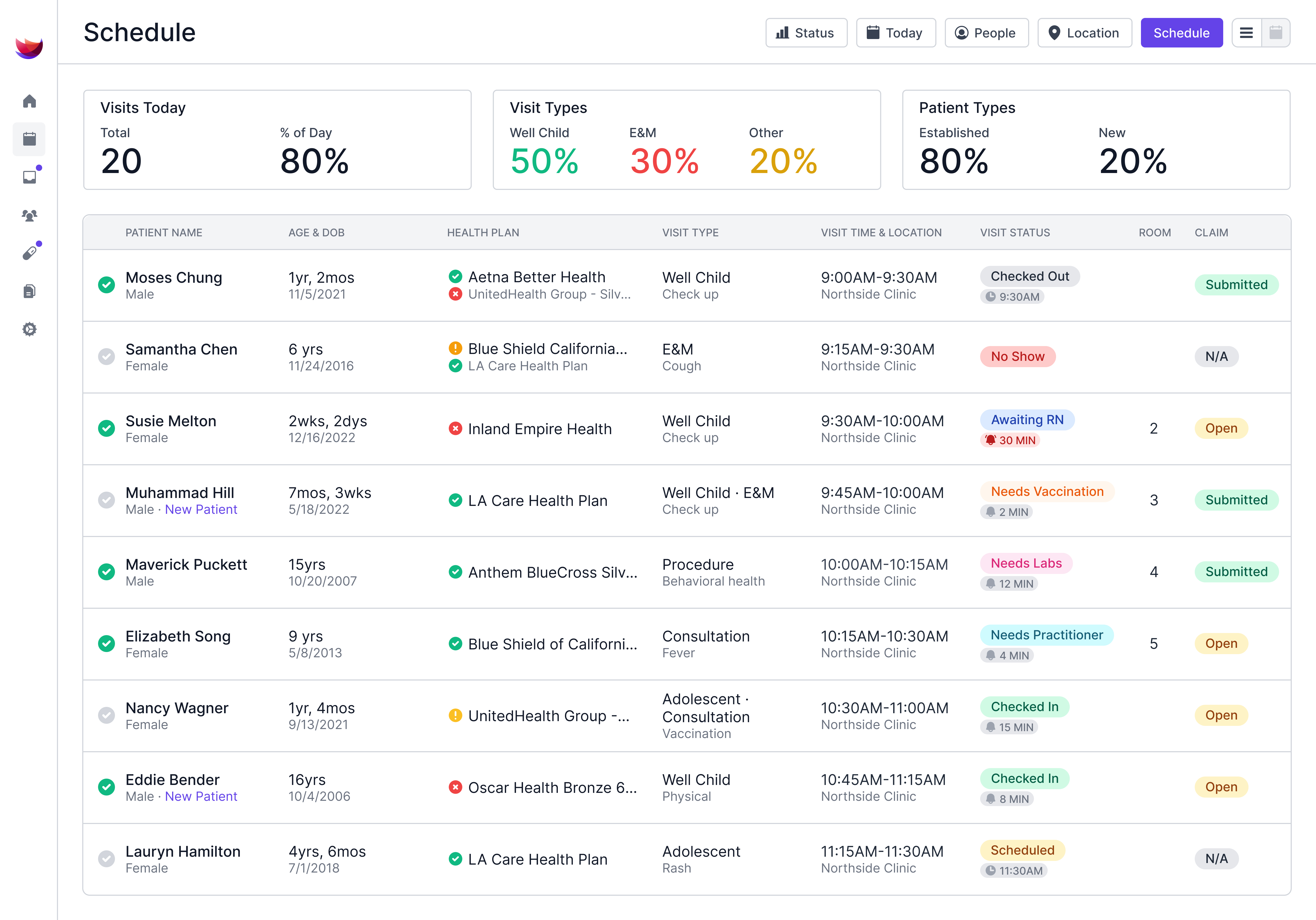
Develo is a pediatric-specific EMR built to handle clinical screeners like the CRAFFT without bolting on third-party tools.
Because adolescent behavioral health screening is a core part of well-child visits, the platform makes it part of the workflow, not an afterthought.
Here's how Develo supports CRAFFT screening in practice:
- Digital screeners auto-populate based on well child visit periodicity, so the right screener (e.g., M-CHAT, CRAFFT, PHQ-A) is sent out automatically ahead of the right visit without manual steps
- Patients or parents complete screeners ahead of the visit as part of visit digital intake, meaning automatically-scored results are already in the chart before you walk in the room
- Screening tasks uniquely flag abnormal digital screen results to the pediatrician ahead of visits so they can be proactively addressed when needed– this is a unique and powerful patient safety workflow
- Automatic scoring and single-system documentation eliminate manual calculation and either handwritten transfers from paper forms to the chart, or manual file transfers from a third party system to your EMR
- Screener administration is automatically captured for billing, including any relevant charge capture adjustments, so your practice doesn't lose revenue on work you're already doing
- Adolescent confidentiality protections are built into the platform's data architecture, keeping sensitive screening results separate in compliance with 42 CFR Part 2
Develo replaces the patchwork of paper forms, third-party screener vendors, and manual scoring that slows down pediatric clinics. One platform handles clinical screeners, charting, billing, and family engagement from check-in to claim submission.
Reaching more families starts with building a strong practice presence, and running an efficient, modern clinic is a big part of that.
Book a free demo and see how Develo helps your practice run CRAFFT screening and every other clinical screener without the extra clicks.
Frequently Asked Questions
1. Can the CRAFFT Be Integrated Into an EMR?
Yes, the CRAFFT 2.1 manual specifically notes that screening questions can be integrated into EHR templates. Confidentiality protections under 42 CFR Part 2 should be in place before doing so.
2. Is the CRAFFT Screening Free?
Yes, the tool is free for clinical use. If you need to reproduce it, whether on paper or inside an EMR, CABHRe has a reproduction process to keep the tool accurate.
3. Does the CRAFFT Work Across Different Populations?
Yes. The CRAFFT has been validated across diverse racial, ethnic, and socioeconomic backgrounds in the U.S. and internationally, including studies in:
- Argentina
- Nigeria
- Norway
- Singapore
- South Africa
- Sweden
- Turkey
4. Should Parents Be in the Room During Screening?
No. Administer the CRAFFT without parents or guardians present to encourage honest responses. Confidentiality is foundational to the tool's accuracy.
5. How Often Should the CRAFFT Screening Be Given?
At every well-visit starting at age 12. The multi-site PED study supports annual screening, as a CRAFFT score of 2 or higher at baseline was associated with SUD at 1-year follow-up, though with limited positive predictive value. Annual rescreening helps catch emerging risk over time.
.png)