
.avif)
The waiting room experience starts before families even walk through the door, and the best pediatric waiting room ideas combine smart design with modern technology.
These 14 pediatric room ideas will help you create an ideal space for the little ones, shape how families feel when they walk into your practice, and help your practice thrive.
Why Your Pediatric Waiting Room Matters More Than You Think
Your waiting room shapes how families feel about your entire practice. Children who feel anxious in the waiting area carry that stress into the exam room. Parents who spend 20 minutes wrangling a bored toddler while filling out paperwork arrive at appointments frustrated.
The good news: small, strategic changes transform chaotic waiting rooms into calm, engaging spaces.
1. Start Before the Waiting Room: Digital Intake
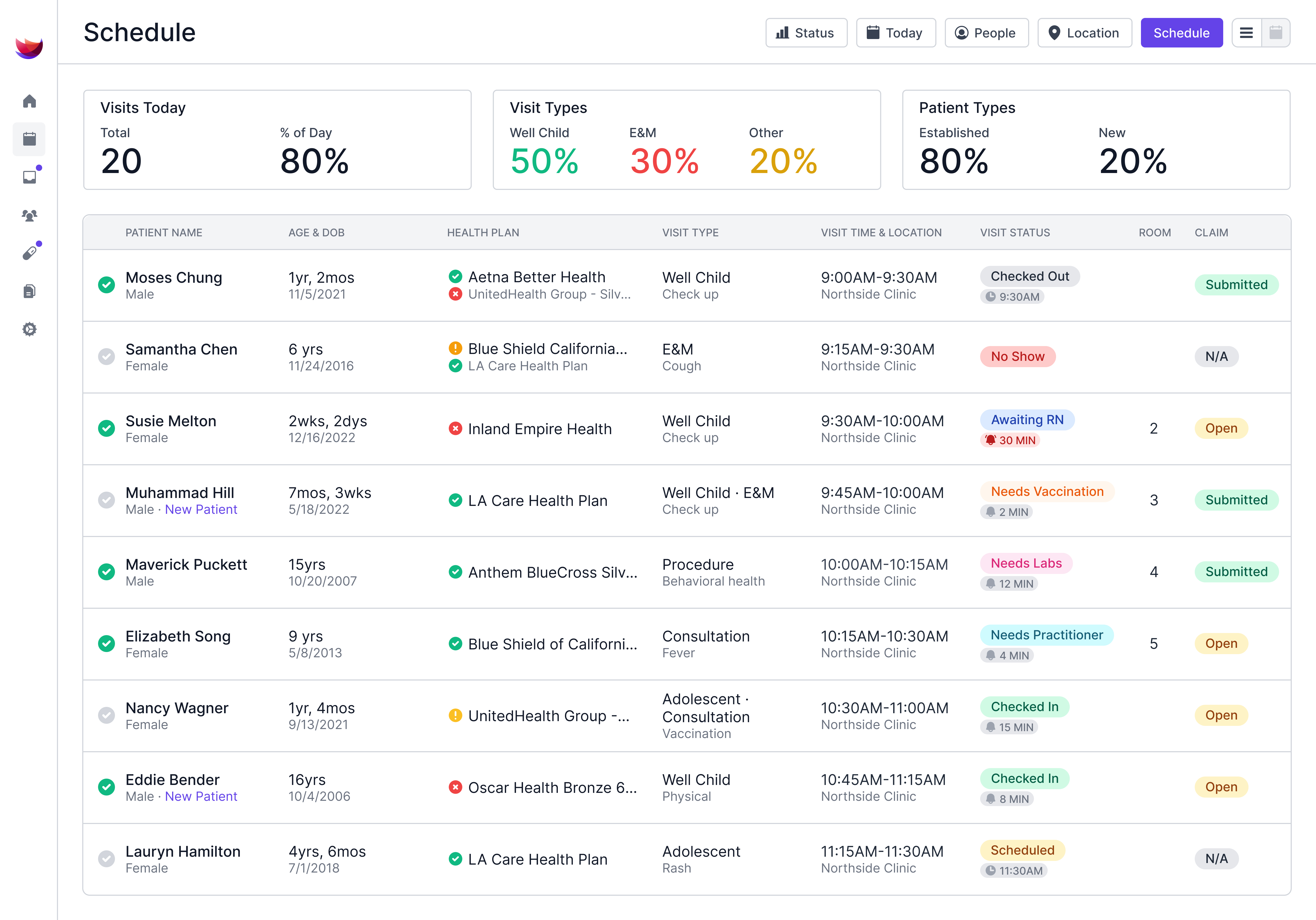
The most overlooked pediatric waiting room idea doesn't involve the waiting room at all. Digital intake lets families complete paperwork on their phones before arriving. Parents answer health questions, update insurance information, and sign consent forms from home.
When families arrive pre-registered, they spend less time in the waiting room. Front desk staff skips the clipboard handoff. Charts are already prepped with completed developmental screeners and updated medical histories.
2. Create Age-Appropriate Zones
A 2-year-old and a 13-year-old have nothing in common when it comes to entertainment. Mixing all ages in one play area creates conflict and frustration.
For toddlers and preschoolers (ages 1-5):
- Wall-mounted activity panels with gears, beads, and spinners
- Soft seating, like bean bags or floor cushions
- Board books with wipeable pages
- Simple puzzles with large pieces
For school-age children (ages 6-10):
- I Spy wall murals with hidden objects
- Interactive floor projection games
- Activity tables with building blocks
- Chapter books and magazines
For tweens and teens (ages 11+):
- Charging stations for devices
- Comfortable seating away from younger children
- Age-appropriate reading materials
- Quiet corner with individual chairs
Separating age groups also helps separate well visits from sick visits, keeping healthy children away from those with contagious symptoms.
3. Choose Furniture That Works for Everyone
Child-sized furniture is obvious. What's less obvious: parents need comfortable seating too. Smart furniture choices:
- Loveseats without armrests let parents sit directly next to anxious children
- Mix of individual chairs and family-sized benches
- Ottomans in playful shapes double as seating and surfaces
- Fabric-covered options absorb sound and feel warmer than plastic
Leave wide pathways between furniture groupings. Strollers, wheelchairs, and active toddlers all need room to move. Aim for clear pathways at least 1.5–1.8 meters (about 5–6 feet) wide, so strollers and wheelchairs can pass comfortably without congestion.
4. Use Color Strategically
Drab beige walls feel clinical. But going overboard with primary colors creates visual chaos that overstimulates anxious children. Here’s what works:
- Light, bright base colors on walls (soft blues, greens, yellows)
- Colorful accent pieces (chairs, artwork, rugs)
- Wall decals or murals that create visual interest without overwhelming
- Natural light wherever possible
Natural elements calm both children and adults. If windows aren't an option, consider nature-themed murals, aquarium displays (virtual or real), or plants in safe locations.
5. Rethink Screen Time
The American Academy of Pediatrics (AAP) recommends avoiding screen media (other than video chatting) for children under 18 months, using only high‑quality content with parent co‑viewing for children 18-24 months, and limiting screen time for ages 2-5 years to about 1 hour per day of high‑quality programming, ideally watched together.
A TV blaring cartoons in the waiting room does not align with those guidelines or the health messages you are delivering in exam rooms. Better screen options include:
- Educational content related to health topics
- Silent videos with closed captions
- Interactive digital displays that respond to touch or movement
- Short, age-appropriate clips rather than continuous programming
Cleveland Clinic's children's hospital uses gesture-tracking technology that lets children move and blend visual elements on screens without physical contact. This keeps kids engaged while eliminating shared touch points.
6. Prioritize Infection Control in Every Design Choice
Every pediatric waiting room must pass the infection control test. That adorable stuffed animal collection? A germ reservoir. The wooden toy box? Impossible to properly sanitize. Infection-safe alternatives include:
- Wall-mounted activities instead of shared toys
- Disposable activity sheets and crayons
- Dishwasher-safe plastic toys rotated daily
- Digital entertainment that eliminates physical touchpoints
During flu season or outbreaks, the option to quickly remove all physical toys becomes essential.
7. Design Sensory-Friendly Spaces
Children with autism, ADHD, or sensory processing differences often struggle in traditional waiting rooms. Bright lights, loud noises, and crowded spaces trigger feelings of overwhelm. Sensory-friendly elements:
- Quiet corner with subdued lighting
- Noise-reducing materials (carpeting, upholstered furniture, acoustic panels)
- Noise-canceling headphones are available for checkout
- Visual schedules showing what happens next
These accommodations benefit all children, not just those with diagnosed conditions. A calmer environment means calmer patients.
8. Make Check-In Effortless
Long check-in lines frustrate everyone. When families can complete forms digitally before arriving, they spend less time waiting and more time feeling served. Modern check-in approaches include:
- Text message visit reminders with links to digital intake and forms
- QR codes for quick mobile check-in
- Tablets available for families who didn't complete forms at home
- Self-service kiosks for returning patients
Digital screeners deserve special attention. Well-child visits require developmental assessments like the SWYC. Sending these ahead of appointments gives parents time to observe their child and answer thoughtfully rather than rushing through questions in the waiting room.
9. Add Photo Opportunities
Parents document everything. A dedicated photo spot transforms routine visits into shareable moments. Here are some potential photo-worthy additions to your waiting room:
- Themed backdrops or murals
- Fun props like oversized glasses or character cutouts
- "My First Checkup" frames for milestone visits
- Height charts that double as photo backgrounds
Every photo shared on social media extends your practice's reach. It's marketing that doesn't feel like marketing.
10. Consider Refreshments Carefully
Snack stations seem hospitable, but create complications for pediatric practices. Allergies, pre-appointment fasting requirements, and cleanup challenges make food offerings risky. A few safer alternatives:
- Water cooler with cups
- Coffee station for parents (positioned away from children)
- Vending machines in separate areas for longer waits
If you offer snacks, include allergy-safe options and clearly label them. Have a suggestion box so families can request favorites.
11. Think About Acoustics
Hard surfaces bounce sound. One crying baby in a room with tile floors and bare walls sounds like five. Sound-dampening strategies include:
- Area rugs in play zones
- Upholstered furniture throughout
- Acoustic ceiling tiles
- Background white noise or gentle music
Good acoustics protect privacy too. Parents discussing symptoms at the front desk don't want the entire waiting room to overhear.
12. Build in Flexibility
Early morning brings well visits with active toddlers. Afternoon sick appointments need separation between contagious and non-contagious patients. Evening hours might see anxious teens for sports physicals. Incorporate flexible design elements like:
- Moveable furniture that can create separate zones
- Retractable dividers between sections
- Activity stations that can be covered or removed quickly
- Multiple TV screens showing different content
13. Train Staff to Use the Space
The best-designed waiting room fails without staff buy-in. Front desk teams need to understand how each zone works and how to direct families appropriately. Here are a few staff training topics to cover:
- Which activities suit which age groups
- How to reset play areas between patients
- When to offer sensory-friendly accommodations
- How digital intake tools reduce their workload
Staff who understand the strategy behind design choices become advocates for keeping the space organized and welcoming.
14. Measure What Matters
Track whether your pediatric waiting room ideas actually improve the patient experience.
Metrics to help monitor:
- Average wait times before and after changes
- Patient satisfaction scores related to the waiting experience
- No-show and late cancellation rates
- Staff feedback on workflow improvements
Survey families specifically about the waiting room. What do they love? What still frustrates them? Their answers guide future investments.
What About the Practical Budget?
Not every pediatric waiting room idea requires a complete renovation. Start with high-impact, low-cost changes. Quick wins can be:
- Wall decals instead of custom murals
- Digital intake software before furniture upgrades
- Rearranging existing furniture to create zones
- Adding a few well-chosen toys rather than overhauling everything
Prioritize changes that reduce staff burden and improve patient flow. Those savings fund future improvements.
Transform Patient Flow Before They Enter Your Waiting Room
The best pediatric waiting room ideas combine welcoming physical spaces with smart digital workflows. Develo is a modern EMR built exclusively for independent pediatric clinics that starts improving the family experience before patients arrive.
Here's how Develo helps pediatric practices reduce waiting room chaos:
- Digital intake via text message lets parents complete forms, update insurance, and sign consents on their phones before arriving, no clipboards or manual data entry required
- Automated well-child screeners send age-appropriate developmental screeners ahead of visits, so results are already scored and ready for discussion
- Family portal handles records, scheduling, messages, and payments across siblings without requiring separate logins for each child
- Automated visit reminders reduce no-shows and late cancellations, keeping your schedule and waiting room running smoothly
- Text-based payment reminders let families pay outstanding balances from their phones, cutting down on awkward front desk conversations
When families arrive pre-registered with completed paperwork, your waiting room transforms from a bottleneck into a brief, pleasant pause before their appointment.
Book a free demo to see how Develo helps pediatric practices deliver better experiences from the moment families schedule their visit.
.avif)


.avif)